
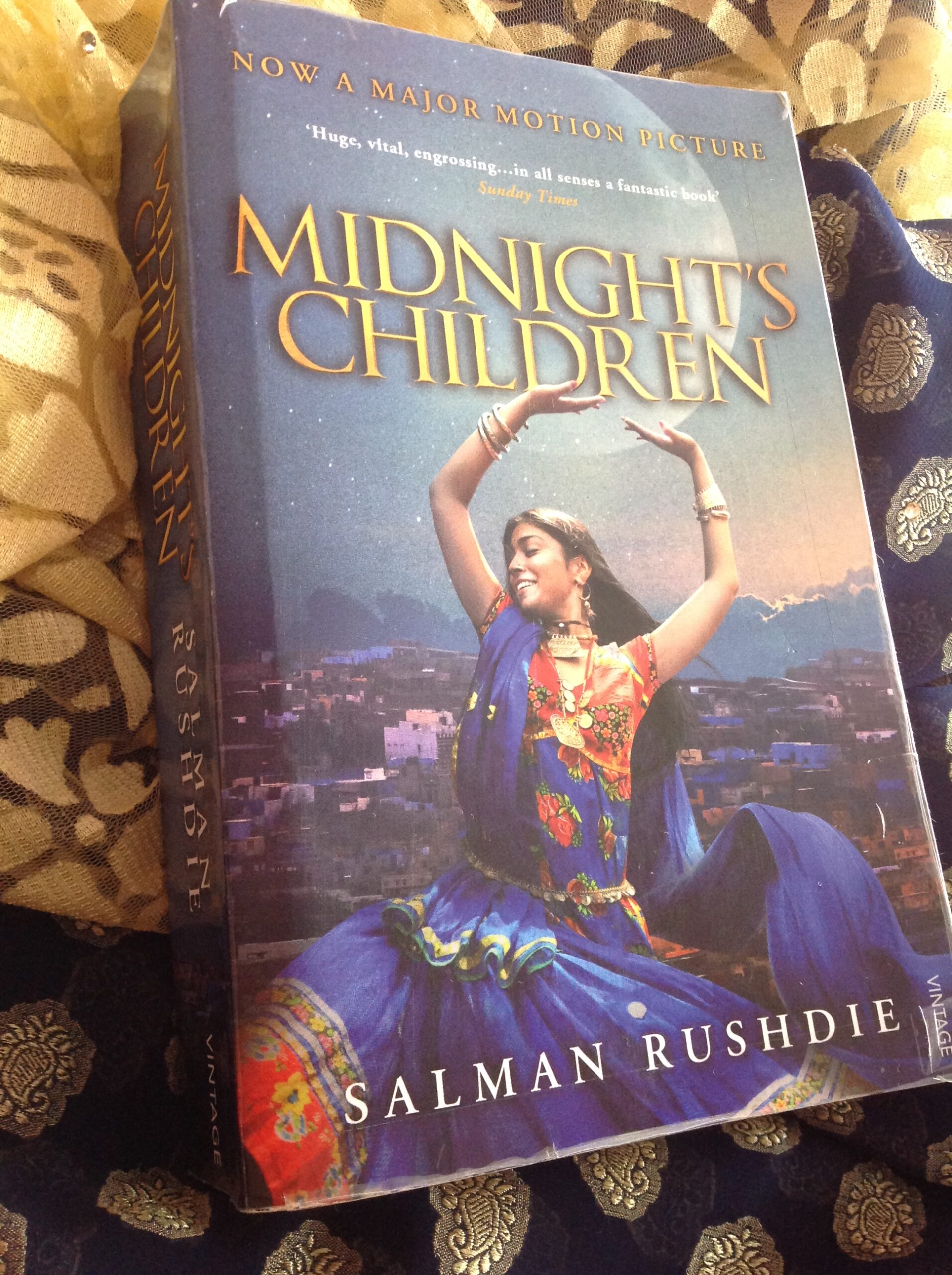
How does Salman Rushdie use the concept of identity in
Midnight’s Children
Salman Rushdie’s novel “Midnight’s Children” is a complex and multi-layered work that explores the concept of identity in various ways. Through the protagonist Saleem Sinai and the larger narrative of postcolonial India, Rushdie delves into questions of individual and collective identity, the impact of history on personal identity, and the tension between personal agency and external forces.
Salman Rushdie use identity in Midnight’s Children:-In this essay, we will examine how Rushdie employs the concept of identity in “Midnight’s Children” and the significance of this exploration within the larger themes of the novel.
Also Read:-
- Discuss the theme of gender roles in Charlotte Perkins Gilman’s The Yellow Wallpaper
- Analyze the use of symbolism in Virginia Woolf’s To the Lighthouse
- William The concept of fate in Romeo and Juliet
- Discuss the theme of religion in John Bunyan’s The Pilgrim’s Progress
One of the central aspects of identity in “Midnight’s Children” is the idea of personal and collective history. Saleem Sinai, the protagonist and narrator, is born at the exact moment of India’s independence from British colonial rule. This birthright imbues him with a unique sense of identity, as he believes he embodies the hopes, dreams, and aspirations of the nation.
Salman Rushdie use identity in Midnight’s Children:-His connection to history is further emphasized by his telepathic powers, which enable him to communicate with the other “midnight’s children,” the 1,001 children born in the first hour of India’s independence.
Through Saleem and the other midnight’s children, Rushdie explores the complex relationship between personal identity and historical context. Saleem’s individual identity is intricately tied to the events of his birth and the subsequent trajectory of postcolonial India.
Salman Rushdie use identity in Midnight’s Children:-He sees himself as a representative of the nation, an embodiment of its struggles, triumphs, and failures. This connection between personal and collective identity highlights the ways in which historical events shape individuals and how individuals, in turn, shape history.
Moreover, Rushdie raises questions about the authenticity and stability of identity in a postcolonial context. Saleem’s narrative voice is fragmented and unreliable, reflecting the fractured nature of his identity. He constantly reinvents himself and his story, blurring the line between fact and fiction. This suggests that identity in postcolonial societies is fluid and malleable, subject to constant negotiation and reinvention in response to changing circumstances.
Salman Rushdie use identity in Midnight’s Children:-Rushdie also explores the tension between personal agency and external forces in shaping identity. Saleem is both a product of his own choices and actions and a victim of larger historical forces beyond his control. He is born with telepathic powers, a gift that sets him apart from others, but he is also subject to the whims of fate and historical events.
This tension between agency and determinism reflects the larger struggle for self-determination in postcolonial societies, where individuals grapple with the legacies of colonization and seek to assert their own identities in the face of external influences.
Furthermore, Rushdie examines the role of language in constructing identity. In “Midnight’s Children,” language becomes a site of power and contestation. Saleem’s ability to communicate with other midnight’s children through telepathy is a form of linguistic connection, emphasizing the importance of language in shaping individual and collective identities.
Additionally, Rushdie incorporates multiple languages, including English, Hindi, and Urdu, in the novel, reflecting the linguistic diversity of India and the complex negotiations of identity that occur within a multilingual society.
Salman Rushdie use identity in Midnight’s Children:-Rushdie also explores the concept of hybrid identity in “Midnight’s Children.” Saleem, as a representative of the midnight’s children, embodies the fusion of Indian and colonial influences. His mixed heritage reflects the complex cultural and historical intersections that define postcolonial identities.
Also Read:-
Salman Rushdie Biography and Work
This hybridity is further exemplified by the diverse cast of characters in the novel, who come from various religious, linguistic, and regional backgrounds. Through this exploration of hybrid identity, Rushdie challenges essentialist notions of identity and emphasizes the fluid and dynamic nature of postcolonial identities.
The Midnight’s Children
“Midnight’s Children” is a sprawling and intricate novel by Salman Rushdie that delves into various themes and narratives. Set against the backdrop of postcolonial India, the novel explores themes of identity, history, memory, and the power of storytelling. In this essay, we will examine these themes and their significance in shaping the narrative and characters in “Midnight’s Children.”
Salman Rushdie use identity in Midnight’s Children:-One of the central themes in the novel is the concept of identity. Through the protagonist, Saleem Sinai, and the other midnight’s children, Rushdie explores the complexity of personal and collective identities. Saleem’s birth at the exact moment of India’s independence ties his personal identity to the larger history of the nation.
He sees himself as a representative of the hopes, dreams, and aspirations of the country. This connection between personal and collective identity highlights the ways in which historical events shape individuals and how individuals, in turn, shape history.
Salman Rushdie use identity in Midnight’s Children:-Moreover, Rushdie presents a nuanced exploration of identity by highlighting the fluidity and malleability of identities in postcolonial societies. Saleem’s narrative voice is fragmented and unreliable, reflecting the fractured nature of his identity.
He constantly reinvents himself and his story, blurring the line between fact and fiction. This suggests that identity in postcolonial societies is not fixed but subject to constant negotiation and reinvention in response to changing circumstances.
The theme of history is intricately intertwined with the concept of identity in the novel. Rushdie uses the historical backdrop of postcolonial India to examine the impact of history on personal and collective identities.
Salman Rushdie use identity in Midnight’s Children:-Saleem and the other midnight’s children are shaped by the history of their nation, and their lives are intricately tied to the larger historical events unfolding around them. The novel explores how individuals are both products of their historical context and agents who contribute to shaping history.
Furthermore, memory plays a vital role in constructing and understanding identity in “Midnight’s Children.” Saleem’s telepathic powers enable him to communicate with other midnight’s children, creating a collective memory and a shared identity. However, memory is not portrayed as a reliable tool for constructing a cohesive narrative. Saleem’s own memories are unreliable, and he acknowledges the fallibility and subjectivity of memory.
The novel suggests that memory is subjective, influenced by personal biases, and subject to manipulation, challenging the notion of a singular and objective history.
Salman Rushdie use identity in Midnight’s Children:-The power of storytelling is another significant theme in the novel. Rushdie presents storytelling as a way to reclaim agency and construct meaning in the face of historical and political forces.
Saleem, as the narrator, weaves together multiple narratives, blending fact and fiction, to create a comprehensive story of the midnight’s children and their relationship to India’s history. His storytelling serves as an act of resistance, challenging dominant narratives and asserting the importance of individual and collective voices.
Salman Rushdie use identity in Midnight’s Children:-In addition to identity, history, memory, and storytelling, “Midnight’s Children” also touches upon themes of hybridity and cultural diversity. The characters in the novel come from diverse religious, linguistic, and regional backgrounds, reflecting the multicultural fabric of postcolonial India.
The hybrid identities of the characters highlight the complex negotiations and intersections of culture and history within a diverse society.
Moreover, the theme of destiny and fate is explored throughout the novel. Saleem believes that he and the other midnight’s children possess a special destiny and a responsibility to shape the future of India. However, the novel also acknowledges the role of chance and external forces in shaping individuals’ lives and the course of history. This theme raises questions about the extent of personal agency and the influence of larger historical and societal forces.
Conclusion
“Midnight’s Children” by Salman Rushdie is a captivating and multi-layered novel that explores themes of identity, history, memory, storytelling, cultural diversity, and personal agency. The narrative follows Saleem Sinai and the other midnight’s children, whose births at the moment of India’s independence connect their personal lives to the larger historical context. Rushdie intricately weaves together their stories to examine the complex nature of identity in postcolonial societies, where identities are fluid and subject to constant negotiation. The novel emphasizes the interplay between personal and collective histories, illustrating how individuals are shaped by historical events while also contributing to the shaping of history.
Memory and storytelling are significant elements in “Midnight’s Children,” showcasing the power of narrative in constructing meaning and reclaiming agency. Through his fragmented and unreliable narration, Saleem challenges the idea of a singular and objective history, highlighting the subjectivity of memory and the ways in which personal biases and manipulation shape our understanding of the past. His storytelling serves as an act of resistance, providing a platform for marginalized voices and challenging dominant narratives.
Cultural diversity and hybrid identities are also prominent themes in the novel, reflecting the multicultural fabric of postcolonial India. Rushdie explores the complexities and intersections of culture, language, and religion within a diverse society, offering a nuanced portrayal of the challenges and richness that arise from cultural diversity.
Ultimately, “Midnight’s Children” invites readers to question notions of fixed identity, to recognize the impact of historical events on individual lives, and to appreciate the power of storytelling as a means of constructing meaning and asserting agency. Rushdie’s intricate narrative and vivid characters engage readers in a thought-provoking exploration of the intricate tapestry of personal and collective histories in postcolonial India.
FAQ.
Q: What is “Midnight’s Children” about?
A: “Midnight’s Children” is a novel by Salman Rushdie that follows the life of Saleem Sinai, who is born at the exact moment of India’s independence from British colonial rule. The story traces Saleem’s life and the lives of other children born in the first hour of independence, known as the midnight’s children. It explores the intertwining of personal and national histories, the complexities of identity, and the impact of historical events on individuals.
Q: What is the significance of the midnight’s children in the novel?
A: The midnight’s children, including the protagonist Saleem, are born with special powers and abilities that are linked to the historical moment of India’s independence. They are seen as a metaphorical representation of the hopes, dreams, and challenges faced by the new nation. The midnight’s children serve as a narrative device to explore the connections between personal and national histories, and the way individuals are shaped by larger historical forces.
Q: How does “Midnight’s Children” address the theme of identity?
A: “Midnight’s Children” explores the complexity of identity in various ways. Saleem’s birth at the moment of India’s independence ties his personal identity to the nation’s history. He sees himself as a representative of the hopes and aspirations of the country. The novel also examines the fluidity and malleability of identities in postcolonial societies, as Saleem constantly reinvents himself and his story, blurring the line between fact and fiction. It raises questions about the stability and authenticity of identity in a changing world.

