
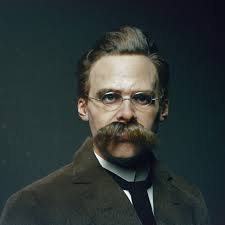
50+ MCQs on Friedrich Nietzsche with Answers for UGC NET / SET Prepration
1. In which century did Friedrich Nietzsche live?
a. 18th
b. 19th
c. 20th
d. 21st
2. Nietzsche was born in which country?
a. Germany
b. France
c. England
d. Italy
3. What is Nietzsche’s most famous work?
a. Thus Spoke Zarathustra
b. Beyond Good and Evil
c. The Birth of Tragedy
d. Ecce Homo
4. Nietzsche’s philosophy is often associated with which movement?
a. Romanticism
b. Existentialism
c. Rationalism
d. Empiricism
5. Nietzsche famously declared that “God is _____.”
a. Dead
b. Alive
c. Sleeping
d. Unconscious
6. Which concept does Nietzsche introduce in “Thus Spoke Zarathustra”?
a. Eternal Recurrence
b. Ubermensch (Overman)
c. Will to Power
d. Master-Slave Morality
7. Nietzsche’s critique of traditional morality is often expressed through his concept of:
a. Apollonian and Dionysian
b. Eternal Recurrence
c. Will to Power
d. Slave Morality
8. Nietzsche’s idea of the “Ubermensch” is commonly translated as:
a. Superman
b. Overman
c. Beyond Man
d. All of the above
9. Nietzsche’s early work “The Birth of Tragedy” explores the dichotomy between:
a. Good and Evil
b. Apollonian and Dionysian
c. Master and SlaveMCQs on Friedrich Nietzsche
d. Reason and Faith
10. Nietzsche’s writing style is characterized by:
a. Clarity and simplicity
b. Complex and metaphorical language
c. Logical precision
d. Historical narrative
11. Who is considered Nietzsche’s philosophical predecessor and influence?
a. Immanuel Kant
b. Arthur Schopenhauer
c. Søren Kierkegaard
d. Jean-Jacques Rousseau
12. Nietzsche’s critique of Christianity is evident in which of the following works?
a. The Gay Science
b. Thus Spoke Zarathustra
c. Beyond Good and Evil
d. The Antichrist
13. Nietzsche’s idea of the eternal recurrence suggests:
a. The cyclical nature of history
b. The repetition of personal experiences
c. The inevitability of fate
d. The resurrection of the dead
14. Nietzsche’s famous quote “That which does not kill us makes us stronger” is from:
a. Thus Spoke Zarathustra
b. Beyond Good and Evil
c. The Birth of Tragedy
d. Ecce Homo
15. The term “Will to Power” refers to:
a. Political dominance
b. Human desire for authority
c. The fundamental driving force in nature
d. The struggle for survival
16. Nietzsche’s view on art and culture is explored in which work?
a. The Birth of Tragedy
b. Beyond Good and Evil
c. Thus Spoke ZarathustraMCQs on Friedrich Nietzsche
d. Twilight of the Idols
17. Nietzsche’s philosophy is often associated with the concept of nihilism, which refers to:
a. A rejection of religious beliefs
b. The denial of objective meaning or valuesMCQs on Friedrich Nietzsche
c. The pursuit of pleasure and happiness
d. The acceptance of fate
Also Read-
50+ MCQs on Alexander Pope with Answers for UGC NET / SET /PHD Preparation
50+ MCQs on Samuel Johnson with Answers for UGC NET / SET Prepration
50+ MCQs on John Dryden with Answers for UGC NET / SET Prepration
18. Nietzsche’s criticism of traditional morality is rooted in his rejection of:
a. Reason
b. Faith
c. Both Reason and Faith
d. None of the above
19. Nietzsche’s idea of the “last man” refers to:
a. The ultimate human achievement
b. The individual who transcends societal norms
c. The mediocre and conformist individual
d. The prophesied savior
20. Nietzsche’s sister, Elisabeth Förster-Nietzsche, played a role in:
a. Translating Nietzsche’s works
b. Expanding Nietzsche’s influence
c. Editing and distorting Nietzsche’s writings
d. All of the above
21. Nietzsche’s concept of the “overcoming of oneself” is closely related to:
a. Eternal Recurrence
b. Will to Power
c. Master-Slave Morality
d. Self-Overcoming
22. Nietzsche’s critique of democracy is expressed in which work?
a. Beyond Good and Evil
b. The Gay Science
c. The Birth of Tragedy
d. Twilight of the Idols
23. Nietzsche’s relationship with Richard Wagner evolved from admiration to:
a. Friendship
b. Indifference
c. Conflict and estrangement
d. Collaboration
24. The concept of the “eternal feminine” is discussed in Nietzsche’s work:
a. Thus Spoke Zarathustra
b. Beyond Good and Evil
c. The Birth of Tragedy
d. Ecce Homo
25. Nietzsche’s philosophy had a significant influence on which 20th-century intellectual movement?
a. Existentialism
b. Structuralism
c. Postmodernism
d. Romanticism
26. Nietzsche’s idea of the “will to power” can be understood as:
a. A drive for political authority
b. A striving for personal success
c. A fundamental force in all things
d. The pursuit of knowledge
27. Nietzsche’s critique of traditional morality is often associated with the concept of:
a. Master-Slave Morality
b. Aristocratic Morality
c. Christian Morality
d. Utilitarian Morality
28. Nietzsche’s concept of the “Dionysian” is closely related to:
a. Rationality and order
b. Chaos and instinct
c. Good and Evil
d. Will to Power
29. Nietzsche’s aphoristic style is evident in which of the following works?
a. The Birth of Tragedy
b. Beyond Good and Evil
c. Thus Spoke Zarathustra
d. Ecce Homo
30. Nietzsche’s concept of “eternal recurrence” challenges individuals to:
a. Embrace life’s challenges and uncertainties
b. Seek pleasure and hedonistic pursuitsMCQs on Friedrich Nietzsche
c. Withdraw from society and live in solitude
d. Accept religious dogma and predetermined fate
31. Nietzsche’s critique of the concept of “good” and “evil” is closely linked to:
a. The Will to Power
b. The Master-Slave MoralityMCQs on Friedrich Nietzsche
c. The Eternal Recurrence
d. The Ubermensch
32. Nietzsche’s view on the role of suffering in human life is expressed in which work?
a. The Birth of Tragedy
b. Beyond Good and Evil
c. The Genealogy of Morals
d. Thus Spoke Zarathustra
33. Nietzsche’s aphorism “God is dead” is from which of his works?
a. The Birth of Tragedy
b. Thus Spoke Zarathustra
c. Beyond Good and Evil
d. Ecce Homo
34. Nietzsche’s criticism of the herd mentality is associated with:
a. Ubermensch
b. Master-Slave Morality
c. Will to Power
d. Last Man
35. Nietzsche’s idea of the “eternal return” suggests:
a. The cyclical nature of history
b. The repetition of personal experiences
c. The inevitability of fate
d. The resurrection of the dead
36. Nietzsche’s work “Ecce Homo” is a reflection on:
a. His personal life and achievements
b. The nature of morality
c. The birth of tragedy
d. The will to power
37. The concept of the “will to power” is associated with:
a. The pursuit of political dominance
b. A fundamental driving force in nature
c. The desire for personal success
d. The rejection of societal norms
38. Nietzsche’s idea of “slave morality” is contrasted with:
a. Master Morality
b. Aristocratic Morality
c. Christian Morality
d. Utilitarian Morality
39. Nietzsche’s critique of traditional philosophy is characterized by:
a. Emphasis on reason and logic
b. Rejection of metaphysics and dogma
c. Advocacy for religious doctrines
d. Conformity to societal norms
40. Nietzsche’s concept of “Amor Fati” encourages individuals to:
a. Reject love and relationships
b. Embrace the love of fate
c. Pursue hedonistic pleasuresMCQs on Friedrich Nietzsche
d. Avoid personal attachments
41. Nietzsche’s concept of “eternal recurrence” suggests that:
a. Time is an illusion
b. History repeats itself
c. Life has no purpose
d. Eternal life is attainableMCQs on Friedrich Nietzsche
42. Nietzsche’s criticism of morality is rooted in his rejection of:
a. Empathy
b. Sympathy
c. Pity
d. Compassion
43. The idea of the “overman” transcending societal values is central to Nietzsche’s concept of:
a. Will to Power
b. Master Morality
c. Slave Morality
d. Ubermensch
44. Nietzsche’s critique of traditional values is often expressed through his use of:
a. Satire
b. Parables
c. Allegory
d. Irony
45. Nietzsche’s notion of “becoming who you are” is associated with:
a. Eternal Recurrence
b. Will to Power
c. Self-Overcoming
d. Master-Slave Morality
46. Nietzsche’s concept of “Dionysian” is closely related to:
a. Rationality and order
b. Chaos and instinct
c. Good and Evil
d. Will to Power
47. Nietzsche’s critique of morality includes a rejection of:
a. Altruism
b. Egoism
c. Both Altruism and Egoism
d. None of the above
48. Nietzsche’s stance on individualism is reflected in his concept of:
a. Master Morality
b. Slave Morality
c. Ubermensch
d. Will to Power
49. Nietzsche’s influence can be found in the works of:
a. Sartre and Camus
b. Kant and Hegel
c. Plato and Aristotle
d. Rousseau and Voltaire
50. Nietzsche’s philosophical approach is often characterized as:
a. Analytic
b. Continental
c. Empirical
d. Positivist
Answer
1. b. 19th
2. a. Germany
3. a. Thus Spoke Zarathustra
4. b. Existentialism
5. a. Dead
6. b. Ubermensch (Overman)
7. d. Slave Morality
8. b. Overman
9. b. Apollonian and Dionysian
10. b. Complex and metaphorical language
11. b. Arthur Schopenhauer
12. d. The AntichristMCQs on Friedrich Nietzsche
13. b. The repetition of personal experiences
14. a. Thus Spoke ZarathustraMCQs on Friedrich Nietzsche
15. c. The fundamental driving force in nature
16. a. The Birth of Tragedy
17. b. The denial of objective meaning or values
18. c. Both Reason and Faith
19. c. The mediocre and conformist individual
20. c. Editing and distorting Nietzsche’s writings
21. d. Self-Overcoming
22. d. Twilight of the Idols
23. c. Conflict and estrangement
24. a. Thus Spoke Zarathustra
25. a. Existentialism
26. c. A fundamental force in all things
27. a. Master-Slave Morality
28. b. Chaos and instinct
29. a. The Birth of TragedyMCQs on Friedrich Nietzsche
30. a. Embrace life’s challenges and uncertainties
31. b. The Master-Slave Morality
32. c. The Genealogy of Morals
33. b. Thus Spoke ZarathustraMCQs on Friedrich Nietzsche
34. d. Last Man
35. a. The cyclical nature of history
36. a. His personal life and achievements
37. b. A fundamental driving force in nature
38. a. Master Morality
39. b. Rejection of metaphysics and dogma
40. b. Embrace the love of fate
41. b. History repeats itself
42. c. Pity
43. d. Ubermensch
44. b. Parables
45. c. Self-Overcoming
46. b. Chaos and instinct
47. c. Both Altruism and Egoism
48. c. Ubermensch
49. a. Sartre and Camus
50. b. Continental

