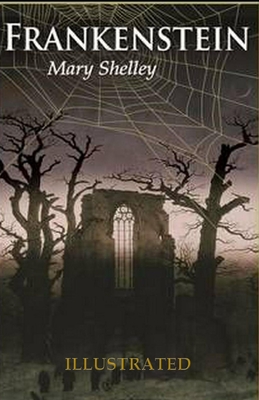
Frankenstein by Mary Shelley Summary in 10 Lines – Frankenstein by Mary Shelley is a Gothic novel that tells the story of Victor Frankenstein, a young scientist who becomes obsessed with the idea of creating life. Frankenstein by Mary Shelley Summary in 10 Lines
Victor succeeds in bringing a creature to life using electricity and body parts from corpses, but he is horrified by his creation and abandons it. The creature, rejected by society and filled with loneliness and resentment, seeks revenge on Victor by killing his loved ones. Victor, consumed by guilt and fear, vows to destroy the creature. However, their paths intertwine again when the creature demands that Victor create a companion for him.
Victor reluctantly agrees but ultimately destroys the second creature before completing it, fearing the consequences of unleashing another monster onto the world. Enraged by Victor’s betrayal, the creature vows to make him suffer. The chase leads them to the Arctic, where Victor’s pursuit of the creature ultimately leads to his own demise. In the end, both Victor and the creature perish, leaving a trail of destruction and tragedy in their wake.
Frankenstein by Mary Shelley Summary in 10 Lines
- Victor Frankenstein, a young scientist, creates a creature from dead body parts.
- Horrified by his creation, Victor abandons the creature.
- The creature wanders alone, rejected by society.
- Seeking revenge, the creature kills Victor’s loved ones.
- Victor becomes consumed by guilt and vows to destroy his creation.
- The creature demands Victor create a companion for him.
- Victor begins work on a second creature but ultimately destroys it.
- Enraged, the creature vows to make Victor suffer.
- Victor pursues the creature to the Arctic, where they confront each other.
- Both Victor and the creature perish, leaving a tragic tale of ambition and loneliness.
CHARACTERS
-
Victor Frankenstein: The ambitious and intelligent young scientist who creates the creature. Victor is driven by a desire to unlock the secrets of life and death, but his creation ultimately leads to his downfall as he grapples with guilt, fear, and the consequences of his actions.
- The Creature: The unnamed being brought to life by Victor Frankenstein. Initially innocent and curious, the creature is rejected and mistreated by society due to his grotesque appearance. He becomes increasingly bitter and vengeful as he experiences rejection and loneliness, ultimately seeking revenge on his creator.
- Elizabeth Lavenza: Victor’s adoptive sister and eventual wife. Elizabeth is gentle, kind-hearted, and devoted to Victor. She becomes a target of the creature’s wrath, leading to tragic consequences for her and Victor.
- Henry Clerval: Victor’s childhood friend and confidant. Henry is compassionate and supportive, serving as a moral compass for Victor. He accompanies Victor during his studies and later becomes a victim of the creature’s violence.
- Robert Walton: The explorer who writes letters to his sister, Margaret Saville, detailing his journey to the Arctic. Walton encounters Victor near the end of the novel and serves as a foil to Victor’s character, highlighting the dangers of unchecked ambition.
- Alphonse Frankenstein: Victor’s father, a loving and supportive figure who cares deeply for his family. Alphonse is devastated by the tragedies that befall his loved ones and ultimately succumbs to grief.
-
Justine Moritz: A servant in the Frankenstein household who is wrongly accused of murder. Justine is kind-hearted and virtuous, but she becomes a victim of circumstances and is executed for a crime she did not commit.
“Frankenstein” explores themes of ambition, scientific ethics, isolation, and the consequences of playing god. Victor’s ambition and desire to push the boundaries of science lead to disastrous consequences, as he creates a being that he cannot control.
The creature, abandoned and rejected by its creator and society, grapples with its own identity and purpose, ultimately seeking revenge on the one who brought it into existence. Shelley’s novel raises questions about the ethical implications of scientific experimentation and the responsibility of creators towards their creations. It also delves into the complexities of human nature and the destructive power of unchecked ambition. Overall, “Frankenstein” is a timeless tale that continues to resonate with readers, exploring the darker aspects of humanity and the pursuit of knowledge.