
First-Time Buyer Mortgage Guide UK: Schemes & Deposits
First-Time Buyer Mortgage Guide UK: Schemes & Deposits Buying your first home is one of the biggest financial decisions you’ll ever make. For many people in the UK, the process can feel confusing—mortgages, deposits, credit checks, government schemes, and legal steps all come at once. This guide explains everything a first-time buyer needs to know about UK mortgages, including available schemes, deposit requirements, eligibility, and the step-by-step process to get your keys.
Whether you’re just starting to save or ready to apply, this guide will help you move forward with confidence.
Who Is a First-Time Buyer in the UK?
In the UK, you’re usually classed as a first-time buyer if:
-
You have never owned a property anywhere in the world
-
You are buying your main residential home
-
You are not named on another mortgage
First-time buyer status is important because it gives you access to special mortgage rates, government schemes, and stamp duty relief.

How Do First-Time Buyer Mortgages Work?
First-Time Buyer Mortgage Guide UK: Schemes & Deposits A mortgage is a loan used to buy a property, repaid monthly over a long period (usually 25–40 years). As a first-time buyer, lenders assess:
-
Your income and employment status
-
Your credit history
-
Your deposit size
-
Your monthly expenses and debts
If approved, the lender pays most of the property price, and you repay it with interest.
Deposit Requirements for First-Time Buyers
Minimum Deposit
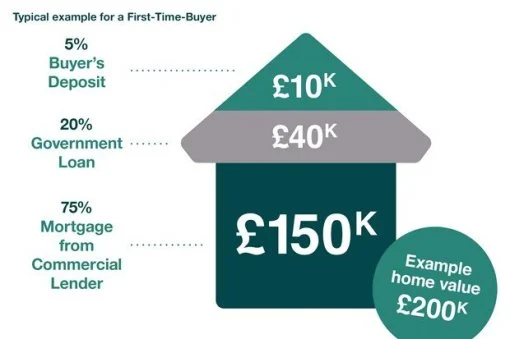
Most UK lenders require a minimum deposit of 5% of the property value. For example:
-
£200,000 home → £10,000 deposit (5%)
However, a larger deposit gives you access to better interest rates.
Common Deposit Levels
-
5% deposit – Limited lenders, higher interest
-
10% deposit – More choice, better rates
-
15–20% deposit – Much lower interest, easier approval
Saving for a deposit is often the hardest part, which is why government schemes exist to help.
UK Government Schemes for First-Time Buyers
1. Lifetime ISA (LISA)
The Lifetime ISA is one of the best tools for first-time buyers.
How it works:
-
You can save up to £4,000 per year
-
The government adds a 25% bonus
-
Maximum bonus: £1,000 per year
Rules:
-
You must be aged 18–39 to open one
-
The property price must be within the scheme limit
-
The money must be used for your first home
This is ideal if you’re planning ahead and saving gradually.
2. Shared Ownership
First-Time Buyer Mortgage Guide UK: Schemes & Deposits Shared Ownership allows you to buy a portion of a property (usually 25%–75%) and rent the rest.
Benefits:
-
Lower deposit required
-
Smaller mortgage
-
Option to buy more shares later (“staircasing”)
Things to consider:
-
Rent is still payable
-
Service charges may apply
-
Selling can be more complex
This scheme is popular with buyers who struggle to afford full ownership.
3. Mortgage Guarantee Scheme
This scheme helps buyers with small deposits (5%) by encouraging lenders to offer more low-deposit mortgages.
Key points:
-
Available through participating lenders
-
Suitable for first-time buyers and home movers
-
Applies to residential properties
It doesn’t give you money directly, but it increases mortgage availability.
4. Stamp Duty Relief for First-Time Buyers
First-Time Buyer Mortgage Guide UK: Schemes & Deposits First-time buyers in England and Northern Ireland may pay reduced or zero stamp duty up to certain property price thresholds.
This can save you thousands of pounds upfront, making buying more affordable.
Types of Mortgages for First-Time Buyers
Fixed-Rate Mortgage
-
Interest rate stays the same for a set period (2–5 years)
-
Predictable monthly payments
-
Popular with first-time buyers
Variable-Rate Mortgage
-
Interest can go up or down
-
Includes tracker and standard variable rates
-
Less predictable but sometimes cheaper initially
Longer-Term Mortgages
-
30–40 year terms reduce monthly payments
-
More interest paid overall
-
Useful if affordability is tight
How Much Can You Borrow?
Most lenders offer 4 to 4.5 times your annual income, depending on:
-
Job stability
-
Credit score
-
Existing debts
-
Household income (joint applications)
Example:
-
£35,000 salary → £140,000–£157,500 mortgage (approx.)
Use online mortgage calculators for estimates, but always speak to a broker for accuracy.
Step-by-Step: How to Buy Your First Home in the UK
Step 1: Check Your Credit Score
First-Time Buyer Mortgage Guide UK: Schemes & Deposits Your credit history affects:
-
Mortgage approval
-
Interest rate offered
Pay bills on time, reduce debts, and avoid new credit before applying.
Step 2: Save for Deposit and Fees
First-Time Buyer Mortgage Guide UK: Schemes & Deposits Besides your deposit, budget for:
-
Solicitor fees
-
Survey costs
-
Mortgage fees
-
Moving expenses
Step 3: Get a Mortgage in Principle (MIP)
A Mortgage in Principle shows:
-
How much you can borrow
-
That a lender is likely to approve you
This makes you more attractive to sellers.
Step 4: Find a Property
Work with estate agents and search online portals. Make offers within your budget.
Step 5: Apply for the Mortgage
First-Time Buyer Mortgage Guide UK: Schemes & Deposits Submit documents such as:
-
ID and address proof
-
Payslips and bank statements
-
Employment details
The lender will arrange a property valuation.
Step 6: Legal Work and Surveys
Your solicitor handles contracts, searches, and legal checks. A survey checks the property’s condition.
Step 7: Exchange Contracts and Complete
Once contracts are exchanged:
-
The deal is legally binding
-
You pay your deposit
On completion day, you receive the keys—congratulations, you’re a homeowner!
Common Mistakes First-Time Buyers Make
-
Borrowing the maximum without budgeting
-
Ignoring additional costs
-
Not using a mortgage broker
-
Skipping surveys to save money
Avoiding these mistakes can save stress and money.
Should You Use a Mortgage Broker?
First-Time Buyer Mortgage Guide UK: Schemes & Deposits A mortgage broker can:
-
Access deals not available directly
-
Explain complex terms clearly
-
Improve approval chances
Many brokers offer free advice, especially for first-time buyers.
Final Thoughts
First-Time Buyer Mortgage Guide UK: Schemes & Deposits Buying your first home in the UK can feel overwhelming, but with the right knowledge, it becomes manageable. Understanding mortgages, deposits, and first-time buyer schemes puts you in control of the process.
Start early, plan carefully, and use the support available to you. Your first home may be closer than you think.
READ ALSO :
Fixed Vs Variable Rate Mortgages In The UK: Which Is Better In 2025?

