
Q1. Critical Essay on the Evolution and Transformation of British Drama from the Elizabethan Era to the Twentieth Century (20 Marks)
ANSWER :
IGNOU MEG 02 Solved Assignment Q1 Answer 2025–26– British drama has undergone remarkable transformation over the centuries, reflecting social, political, and cultural changes. From the grandeur of Elizabethan theater to the experimental approaches of twentieth-century drama, the evolution of British drama reveals a dynamic interplay between tradition and innovation. Drama, as both entertainment and social commentary, has mirrored the concerns of its time, exploring themes such as power, morality, human psychology, and society. The development of British drama can be traced through major eras: Elizabethan, Jacobean, Restoration, eighteenth-century sentimental and comedic drama, nineteenth-century melodrama, and twentieth-century modernist and avant-garde experimentation.
Elizabethan Drama (1558–1603)
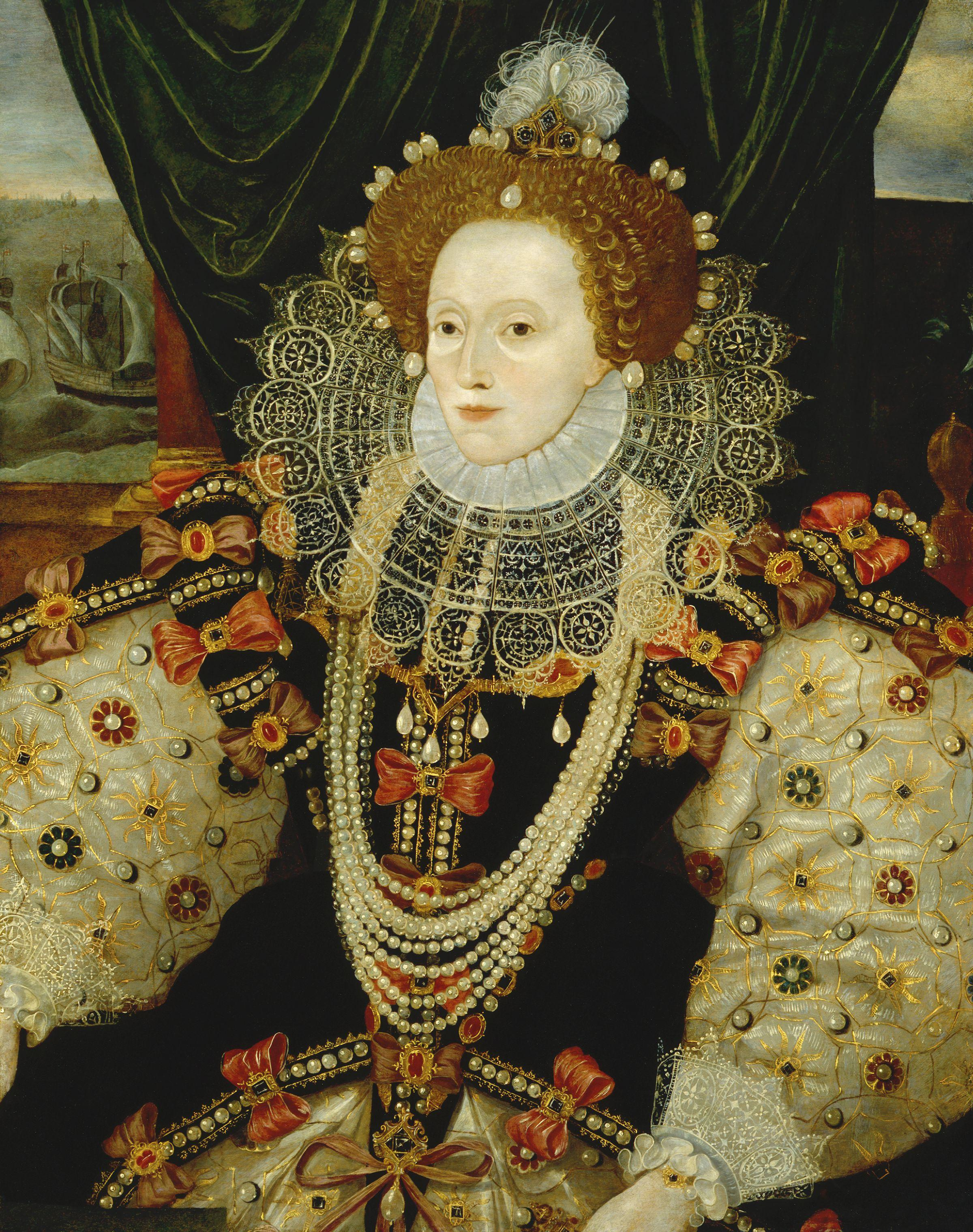
The Elizabethan era, during the reign of Queen Elizabeth I, is considered the golden age of English drama. Drama flourished due to the patronage of the monarchy, the growth of urban centers, and the rise of public theaters such as The Globe. Playwrights like William Shakespeare, Christopher Marlowe, and Ben Jonson elevated drama to new artistic heights.
Elizabethan drama is characterized by:
-
Blank Verse and Poetic Diction: Shakespeare and Marlowe utilized iambic pentameter to create a musical, elevated language that enhanced dramatic effect.
-
Complex Characters and Psychological Depth: Shakespearean characters such as Hamlet, Lady Macbeth, and Richard III exhibit intricate personalities, moral dilemmas, and emotional complexity.
-
Blend of Tragedy and Comedy: Elizabethan plays often combined tragic and comic elements, reflecting the complexity of human experience.
-
Historical and Mythological Themes: Many plays drew from British history, classical mythology, or Roman and Greek sources, emphasizing heroism, patriotism, and moral lessons.
Elizabethan drama was performed in public playhouses for diverse audiences, ranging from the nobility to the common people, blending spectacle, rhetoric, and universal themes.
Jacobean and Caroline Drama (1603–1642)
IGNOU MEG 02 Solved Assignment Q1 Answer 2025–26 – Under James I and Charles I, drama became darker and more cynical. Jacobean playwrights like John Webster, Thomas Middleton, and Ben Jonson focused on revenge tragedies, social satire, and moral corruption. Plays such as The Duchess of Malfi and The White Devil explored human cruelty, political intrigue, and the darker aspects of ambition.
Key characteristics include:
-
Complex Plots and Morbid Themes: Revenge, murder, and betrayal dominate the narratives.
-
Psychological Realism: Characters are depicted with intense emotional and moral conflicts.
-
Courtly Satire: Many plays critique the excesses and corruption of the aristocracy.
This period marked a shift from Elizabethan optimism to Jacobean pessimism, reflecting political instability and social anxieties.
Restoration Drama (1660–1710)
The Restoration of Charles II brought the reopening of theaters, which had been closed during the Puritan regime. Restoration drama is known for wit, sophistication, and sexual explicitness, with playwrights like William Congreve, George Etherege, and Aphra Behn shaping the comedy of manners.
Key features:
-
Comedy of Manners: Satirical depiction of aristocratic society, focusing on love, intrigue, and social pretensions.
-
Stock Characters and Dialogue: Clever dialogue and witty repartee define the plays, with recurring character types such as the rake, coquette, and fop.
-
Influence of French Theater: Restoration dramatists drew inspiration from Molière, emphasizing elegance and refinement.
This period also saw the rise of female playwrights and actresses, transforming theater socially and culturally.
Eighteenth and Nineteenth Century Drama
The eighteenth century witnessed a decline in poetic drama and the rise of sentimental and domestic comedy, focusing on morality, virtue, and middle-class concerns. Playwrights such as Richard Steele and Oliver Goldsmith explored middle-class values, social criticism, and sentimental pathos.
The nineteenth century saw the dominance of melodrama, which emphasized clear moral contrasts, spectacular stage effects, and emotional appeal. Playwrights such as Dion Boucicault and T. W. Robertson focused on everyday life, social reform, and realism, paving the way for modern drama.
Twentieth Century Drama
IGNOU MEG 02 Solved Assignment Q1 Answer 2025–26 – Twentieth-century British drama experienced radical transformations due to modernist, psychological, and political influences. Playwrights like George Bernard Shaw, John Galsworthy, Harley Granville-Barker, and later Harold Pinter and Tom Stoppard, expanded the possibilities of theatrical form.
Key developments include:
-
Social and Political Critique: Shaw’s plays, such as Pygmalion, challenged social norms, class distinctions, and moral conventions.
-
Realism and Naturalism: Playwrights emphasized authentic dialogue, social issues, and ordinary life, influenced by Ibsen and Chekhov.
-
Experimental and Absurdist Drama: Later twentieth-century dramatists like Pinter and Samuel Beckett explored existentialism, alienation, and the absurdity of human existence.
-
Psychological Depth: Character motivation, subconscious impulses, and human conflicts became central to dramatic narratives.
The twentieth century also witnessed a diversification of theater, including political theater, feminist drama, and experimental stagecraft, reflecting societal changes and the globalization of culture.
Transformation Over Time
The evolution of British drama reflects shifts in:
-
Themes: From heroism and morality in Elizabethan plays to social critique, realism, and existentialism in modern drama.
-
Form and Language: From poetic blank verse to naturalistic dialogue, free verse, and experimental techniques.
-
Audience and Purpose: From royal patronage and public theater to politically engaged and intellectually reflective works.
-
Representation of Society: From aristocratic and heroic characters to middle-class concerns, marginalized voices, and universal human dilemmas.
Throughout these transformations, British drama has retained its capacity to entertain, provoke thought, and reflect societal values, demonstrating resilience, adaptability, and creative evolution.
Conclusion
IGNOU MEG 02 Solved Assignment Q1 Answer 2025–26 – In conclusion, British drama has evolved from the Elizabethan grandeur of Shakespeare and Marlowe to the innovative spectacle of twentieth-century dramatists. Each era reflects its social, political, and cultural context, whether it is the idealized heroism of Elizabethan plays, the dark pessimism of Jacobean tragedies, the witty social satire of Restoration comedies, the sentimental moralism of the eighteenth century, or the realism, modernism, and experimentalism of the twentieth century.
The transformation of British drama illustrates a continuous dialogue between tradition and innovation, where playwrights have continually responded to human experience, societal change, and artistic vision. From poetic verse to naturalistic dialogue, from heroic spectacle to intimate psychological exploration, British drama has maintained its vitality and relevance across centuries, adapting to the changing tastes, values, and expectations of audiences while preserving its essential function as a mirror of human life.
Thus, the evolution of British drama is a testament to its ability to combine entertainment with intellectual and moral engagement, making it one of the most enduring and dynamic art forms in literary history.