
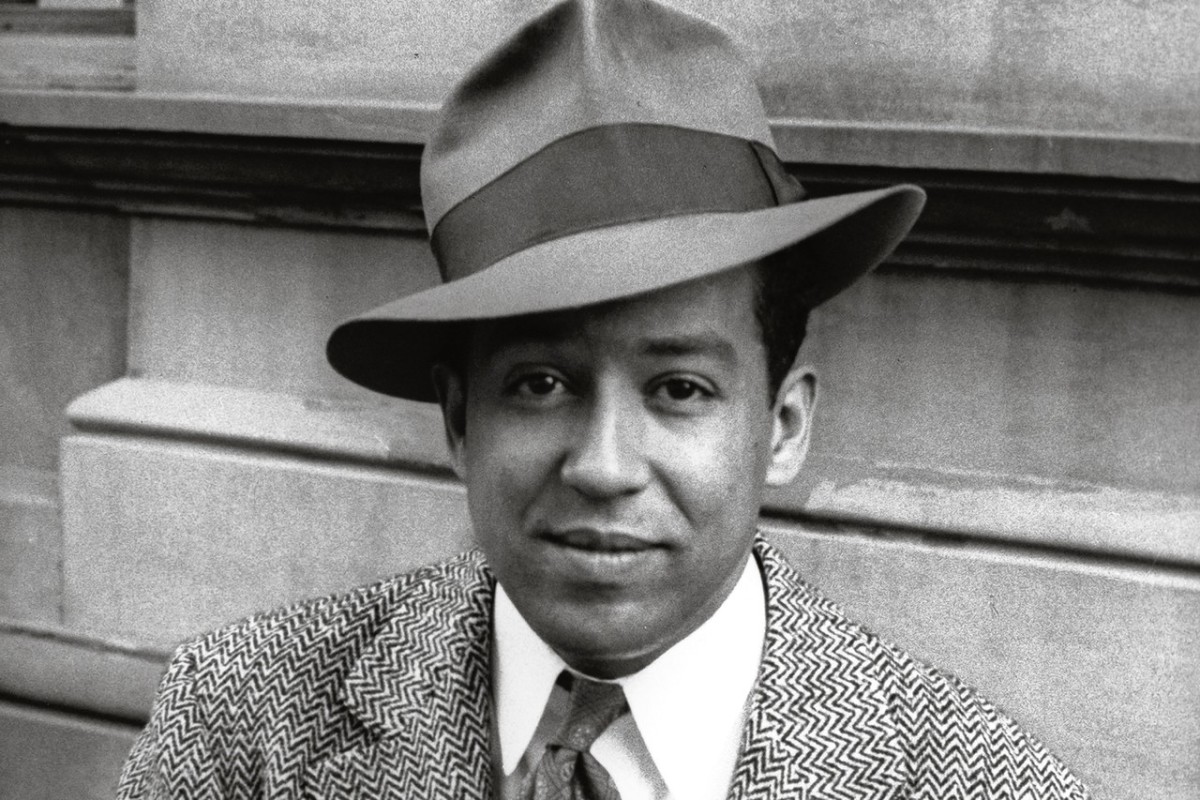
Theme for English B Poem Summary Line by Line
Theme for English B is a compelling and thought-provoking poem by Langston Hughes, a prominent figure in the Harlem Renaissance—a cultural, social, and artistic movement that celebrated African American heritage in the early 20th century. Published in 1951, “Theme for English B” takes the form of a reflective assignment given to a young African American student by his white instructor.
Theme for English B Poem Summary Line by Line-The poem delves into the complexities of identity, race, and the universal human experience. Through the lens of a seemingly straightforward writing task, Hughes explores the challenges and nuances of self-expression in a society marked by racial divides.
The title of the poem alludes to a shared theme—a shared essence that cuts across racial boundaries—that serves as the main theme of the student’s writing. Hughes creates a story that transcends the classroom as the student struggles with the assignment, addressing larger societal issues and highlighting the humanity that unites people from all backgrounds, racial or cultural.
Theme for English B Poem Summary Line by Line-Theme for English B invites readers to contemplate the intricate intersections of race, identity, and the quest for understanding in a world that often imposes expectations and preconceptions. In this introduction, we embark on a journey through the poem’s exploration of the student’s struggle to define himself and his place in a diverse and sometimes divided society.
Theme for English B Poem
Theme for English B Poem Summary
Line 1-7:
The speaker, a young African American student, begins by acknowledging the assignment given to him by his English instructor. The assignment is to write a page about himself and let it come out of him “like any other student.” This sets the stage for the exploration of identity and self-expression.
Line 8-15:
The speaker starts by acknowledging that he is the only colored student in his class. He describes his residence in Harlem, highlighting the cultural and racial diversity of the neighborhood. Despite the physical separation between Harlem and the university, the speaker recognizes that both places are a part of him.
Line 16-21:
The speaker acknowledges the similarities between himself and his white peers. He notes that they share common experiences such as eating, sleeping, and laughing. However, he also acknowledges the presence of cultural differences, stating that he likes Bessie, but also likes to listen to Aaron Copland.
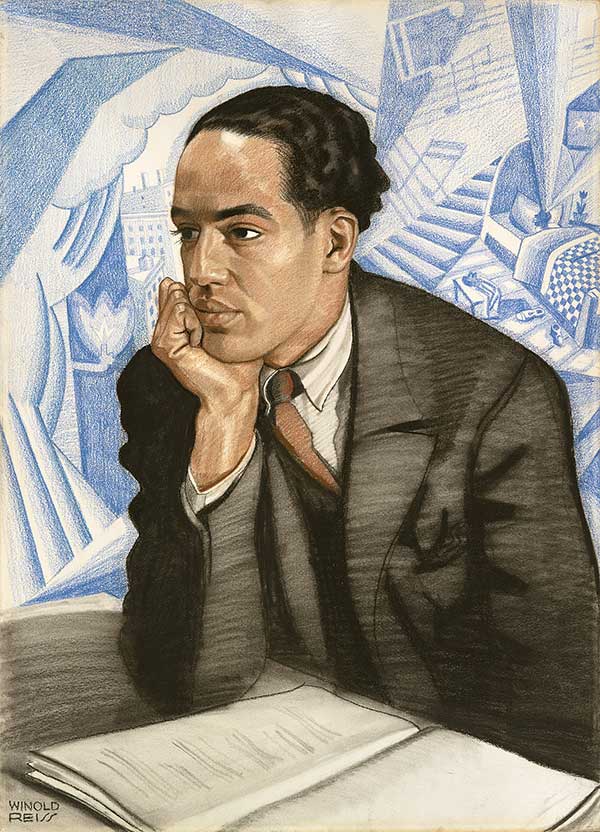
Line 22-26:
The speaker reflects on the racial divide and mentions that being colored is not something he can cast off. He underlines the fact that his identity is an integral part of him and cannot be easily separated or dismissed.
Also Read-
- The Weary Blues Poem Summary Line by Line
- On Living Poem Summary Line by Line
- The Weary Blues Poem Summary Line by Line
Line 27-34:
The speaker then directly addresses his instructor, acknowledging that the instructor is older and, being white, may not fully understand the young man’s experiences. He reflects on the complexity of his identity, which is shaped by both his individual experiences and the broader social context.
Line 35-42:
The speaker contemplates the role of education in shaping his identity. He questions whether his education will make him more like his white peers or whether he will retain his unique identity as a black man. This reflects the broader theme of assimilation and the tension between conformity and individuality.
Line 43-46:
The speaker concludes by recognizing the universality of human experience. He notes that, despite differences, there is a common humanity that connects everyone. He emphasizes that his page, his life, will be a part of the instructor’s, highlighting the shared human experience despite racial and cultural distinctions.
Conclusion
Theme for English B by Langston Hughes is a timeless exploration of identity, race, and the convergence of individual and collective experiences. Through the lens of a young African American student responding to a writing assignment, Hughes delves into the complexities of self-discovery and the impact of societal expectations on personal identity. The poem captures the tension between the speaker’s unique cultural background and the universality of human experiences.
Theme for English B Poem Summary Line by Line-The poem weaves together themes of education, diversity in culture, racial identity, and humanity to create a complex tapestry of questions and reflections. By deftly handling the subtleties of the speaker’s voice, Hughes enables readers to identify with the protagonist’s internal struggles and external influences. The poem asks readers to reflect on the complex dance between individuality and society expectations and challenges preconceived notions.
“Theme for English B” stands as a testament to Hughes’s ability to articulate the complexities of the human experience, particularly in the context of race and identity. Its enduring relevance lies in its capacity to provoke thought and conversation about the ongoing journey of self-discovery in a world marked by diversity and interconnectedness.
FAQ:
1. What is the significance of the title, “Theme for English B”?
The title suggests that the poem serves as a thematic exploration, a thoughtful composition that goes beyond a simple academic exercise. It implies that the themes discussed in the poem are not confined to a specific academic context but have broader implications for understanding identity and the human experience.
2. How does the poem address the issue of race?
The poem addresses the issue of race by presenting the experiences of a young African American student navigating a predominantly white academic environment. It explores the complexities of racial identity, the impact of societal expectations, and the quest for individuality within the context of systemic inequalities.
3. What role does cultural diversity play in the poem?
Cultural diversity is celebrated in the poem, particularly in the portrayal of Harlem as a vibrant and diverse community. The speaker’s connection to his cultural roots is emphasized, highlighting the richness of his background amidst a predominantly white academic setting.
4. How does the poem reflect on the relationship between education and identity?
The poem raises questions about the transformative power of education and its potential to shape or assimilate individual identity. The speaker wonders whether his education will make him more similar to his white peers or allow him to retain his unique identity as a black man.
5. What is the significance of the speaker’s acknowledgment of common humanity in the conclusion?
The acknowledgment of common humanity in the conclusion underscores the universal experiences that connect all individuals, irrespective of racial or cultural differences. It serves as a unifying theme, suggesting that despite external disparities, there is a shared human experience that binds people together.
6. Why is “Theme for English B” considered a significant work in the context of the Harlem Renaissance?
“Theme for English B” is significant in the context of the Harlem Renaissance as it reflects the cultural and intellectual flourishing of the African American community during this period. Hughes, a prominent figure of the Harlem Renaissance, addresses themes of race, identity, and societal expectations in a way that resonated with the broader movement’s exploration of black culture and expression.

