
Q3. Bring Out the Full Significance of the Title “When Lilacs Last in the Dooryard Bloom’d” by Walt Whitman
ANSWER :
IGNOU MEG 06 Solved Assignment Q3 Answer 2025-26 Walt Whitman’s elegiac poem “When Lilacs Last in the Dooryard Bloom’d” is one of the most profound and moving pieces of American poetry ever written. Composed in the spring of 1865, it was written in response to the assassination of President Abraham Lincoln, an event that deeply shook the American nation and Whitman himself. The poem was later included in Leaves of Grass under the section “Memories of President Lincoln,” alongside other related poems like “O Captain! My Captain!” and “Hush’d Be the Camps To-day.”
The title “When Lilacs Last in the Dooryard Bloom’d” holds immense symbolic and emotional significance. It immediately situates the poem in a specific time—the spring season when lilacs bloom—and evokes a deeply personal image of mourning and renewal. Through this title, Whitman introduces the central symbols of the poem—the lilac, the star (Venus), and the hermit thrush—and the larger themes of death, rebirth, and eternal life. The title is not just a reference to a natural scene; it embodies the poet’s spiritual journey from grief to acceptance, and from loss to transcendence.
Literal Meaning of the Title
Literally, the title describes a natural and recurring event—the blooming of lilacs in the springtime, specifically in the “dooryard,” or the front yard of a house. The use of “when” at the beginning suggests that the poem takes place during this season of renewal and life. However, for Whitman, the blooming of lilacs coincides with a time of national mourning—the death of Abraham Lincoln in April 1865.
The juxtaposition of “bloom’d” (life and renewal) with “death” (the assassination) creates an immediate tension between the beauty of nature and the sorrow of human loss. This duality—life and death intertwined—is the emotional foundation of the poem. The title, therefore, is both literal and symbolic, indicating that the natural event of spring’s renewal is forever linked with the poet’s personal grief and the nation’s tragedy.
Symbolic Significance of the Lilac
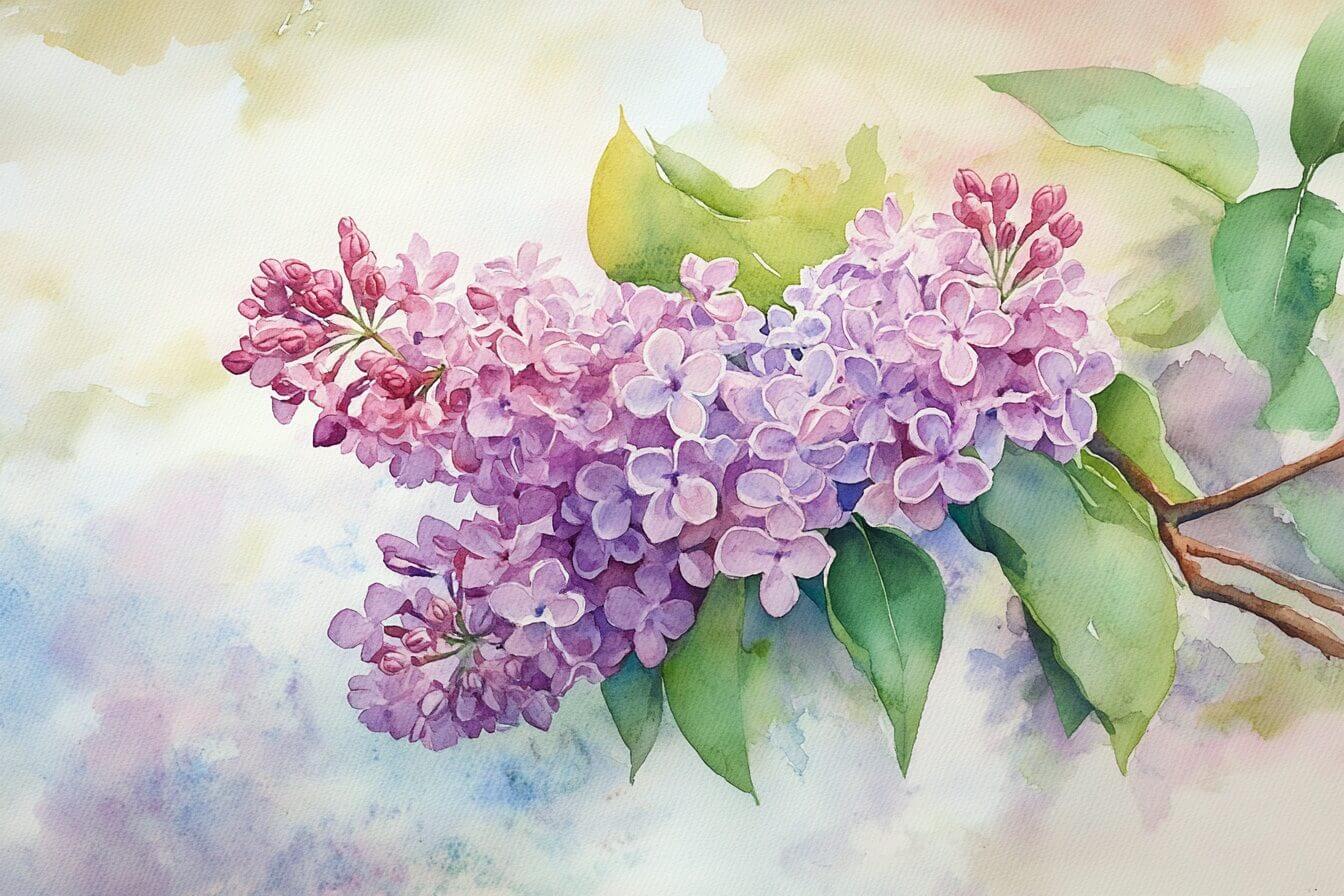
IGNOU MEG 06 Solved Assignment Q3 Answer 2025-26 The lilac flower is the first and most dominant symbol introduced in the title and throughout the poem. Traditionally, lilacs represent love, memory, and mourning. Their blooming each spring reminds Whitman of the time of Lincoln’s death, turning the flower into a living emblem of remembrance.
Whitman writes:
“Ever-returning spring, trinity sure to me you bring,
Lilac blooming perennial and drooping star in the west,
And thought of him I love.”
Here, the lilac becomes one element of the “trinity” of symbols—alongside the star (Venus) and the hermit thrush—that structure the poem’s emotional and spiritual journey. The lilac represents the poet’s personal grief and love; the star represents Lincoln’s death; and the thrush represents spiritual consolation.
By placing the lilac in the dooryard—a humble, domestic space—Whitman transforms a private, everyday setting into a sacred one. The “dooryard” symbolizes the intimate connection between private sorrow and public mourning. The flower growing there becomes an offering of love to the fallen leader, just as it becomes an emblem of renewal for the living.
The Title as a Symbol of Time and Memory
IGNOU MEG 06 Solved Assignment Q3 Answer 2025-26 The word “When” at the beginning of the title is significant because it evokes the dimension of time. It implies recollection and memory—the poem is an act of remembrance. The title thus signals that the poem will look back at a past moment of beauty and sorrow.
This temporal framing emphasizes Whitman’s awareness of the cyclical nature of time. Every spring when lilacs bloom again, they bring back the memory of Lincoln’s death. The season of rebirth thus becomes eternally linked with the season of mourning.
The title, therefore, captures Whitman’s complex meditation on time: although the individual (Lincoln) has died, nature continues to renew itself, suggesting that life and death are part of the same eternal process. The blooming lilacs each year remind the poet not only of his loss but also of the immortality of life and spirit.
The “Dooryard” as a Symbolic Space
The inclusion of the word “dooryard” in the title is deliberate and meaningful. It localizes the poem in an ordinary, domestic space—a familiar American setting. Unlike the grandeur of political monuments or battlefields, the dooryard represents intimacy, simplicity, and the connection between the personal and the universal.
By situating the lilac in the dooryard, Whitman domesticates grief, turning national mourning into a deeply personal experience shared by all. The dooryard becomes a symbolic threshold between private life and the larger world—between the living and the dead, the earthly and the eternal.
The poet’s act of plucking the lilac from his dooryard and offering it as a tribute to Lincoln signifies his personal participation in a collective mourning process. Thus, the dooryard becomes both a literal and metaphysical space—a place of memory, meditation, and communion with the departed.
Seasonal and Spiritual Connotations
IGNOU MEG 06 Solved Assignment Q3 Answer 2025-26 The blooming of lilacs in spring signifies nature’s renewal and resurrection. Yet in the context of Lincoln’s death, it also becomes a reminder of mortality. Whitman uses this contrast to explore the cycle of life and death. The title’s reference to the season of spring suggests that death is not an end but a transformation—a return to the larger cycle of nature.
Spring, for Whitman, represents hope, rebirth, and the continuation of life. The lilacs that bloom “last” in the season mark the transition between the sorrow of death and the acceptance of eternal renewal. This seasonal imagery parallels the poet’s emotional progression from grief to reconciliation.
In this sense, the title encapsulates the spiritual rhythm of the poem—it begins with sorrow but ends with transcendence and peace. The lilac’s blooming becomes a metaphor for the poet’s own awakening to the eternal continuity of life.
The Title’s Connection to the Poem’s Structure and Tone
The title sets the tone for the entire poem—mournful, reflective, yet ultimately redemptive. The softness of the words “lilacs,” “bloom’d,” and “dooryard” creates a musical, elegiac rhythm that mirrors the poem’s emotional cadence.
The poem itself unfolds as a series of meditations, guided by the recurring image of the lilac. Each section returns to the flower as a point of focus and renewal, just as the title repeats in the poet’s memory each year. The title thus encapsulates the cyclical movement of the poem—returning again and again to the act of remembrance and offering.
The Title as a Symbol of National Mourning
IGNOU MEG 06 Solved Assignment Q3 Answer 2025-26 Beyond its personal significance, the title also resonates with collective meaning. Abraham Lincoln was not only a political leader but also a symbol of unity and moral courage during America’s Civil War. Whitman’s poem—and its title—transform a historical tragedy into a universal meditation on death and rebirth.
The lilacs, blooming each spring across the nation, become symbols of collective remembrance. The title thus links the personal “dooryard” with the larger national landscape. Each American, in their own way, mourns and remembers, just as the poet does in his home.
By grounding the title in a common, natural image, Whitman democratizes grief and spiritual reflection—making it accessible to all people, not just the elite or the learned.
Universal and Eternal Significance
Ultimately, the title “When Lilacs Last in the Dooryard Bloom’d” transcends its historical and biographical origins. It expresses Whitman’s belief in the eternal cycle of life and the spiritual continuity between the living and the dead. The lilac becomes a universal symbol of remembrance, love, and immortality.
The gentle rhythm and imagery of the title suggest acceptance rather than despair. Whitman does not resist death; he seeks to understand it as part of the divine order. The lilac’s perennial blooming assures him that death is followed by renewal, and that Lincoln’s spirit, like the flower, continues to live in the hearts of people and in the eternal processes of nature.
Conclusion
IGNOU MEG 06 Solved Assignment Q3 Answer 2025-26 The title “When Lilacs Last in the Dooryard Bloom’d” is one of the most evocative in American poetry. It encapsulates the poem’s emotional depth, symbolic richness, and philosophical vision. The lilac represents love and memory; the dooryard represents intimacy and personal space; and the act of blooming represents renewal and immortality.
Through this simple yet profound image, Whitman transforms personal grief into a universal hymn of life’s continuity. The title reminds readers that every spring’s renewal carries with it both the sorrow of loss and the promise of rebirth. In linking nature’s eternal cycle with human emotion, Whitman achieves his greatest poetic triumph—the reconciliation of life and death within a single, harmonious vision.
Thus, the full significance of the title lies in its ability to unite the personal, the national, and the cosmic into one enduring symbol of love, loss, and eternal renewal.