
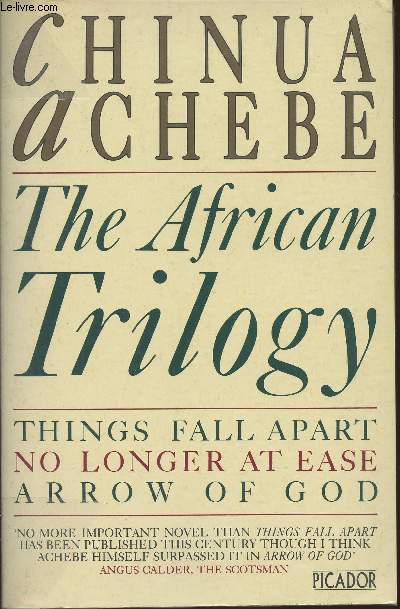
The African Trilogy by Chinua Achebe Summary and Themes
The African Trilogy by Chinua Achebe Summary and Themes-What is the theme of Chinua Achebe’s books?,What is The African Trilogy by Chinua Achebe about?,What is the theme of There Was a Country by Chinua Achebe?,What is the summary of the novel Things Fall Apart by Chinua Achebe?,Is Things Fall Apart the first book in The African Trilogy?,What is the order of The African Trilogy?,Chinua Achebe African Trilogy is a work of literature that demonstrates how colonialism continues to affect African communities. These books invite readers to explore the deep concepts and revelations contained within these influential works by weaving a complex tapestry of characters and stories that have an impact on people all around the world.The African Trilogy by Chinua Achebe Summary and Themes
The African Trilogy Summary
Chinua Achebe is celebrated for his African Trilogy, which consists of three significant novels: “Things Fall Apart” (1958), “No Longer at Ease” (1960), and “Arrow of God” (1964). These works collectively explore the far-reaching consequences of colonialism on traditional African societies.
Things Fall Apart (1958):
Set in pre-colonial Nigeria, the story follows Okonkwo, an ambitious Igbo warrior. As British colonial forces encroach upon Igbo territory, Okonkwo’s life begins to unravel, serving as a poignant depiction of the destructive impact of colonialism on traditional African ways of life.
Also Read-
- An Image of Africa Novel Summary and Themes
- Arrow of God by Chinua Achebe Summary and Themes
- Things Fall Apart Novel summary and Themes
No Longer at Ease (1960):
This novel unfolds in post-colonial Nigeria and centers around Obi Okonkwo, the grandson of the protagonist from “Things Fall Apart.” Obi, an educated and idealistic young man, grapples with moral and political challenges, becoming entangled in government corruption. The narrative explores the conflicts arising from the juxtaposition of traditional values and modern influences.The African Trilogy by Chinua Achebe Summary and Themes
Arrow of God (1964):
Set in the early 20th century, “Arrow of God” focuses on Ezeulu, the high priest of the god Ulu. As colonial powers exert their influence, Ezeulu faces struggles to maintain his authority and preserve traditional religious and political structures. The novel delves into themes of power, religion, and the clash between indigenous cultures and colonial forces.
Together, these novels offer a nuanced portrayal of the profound impact of colonialism on African societies, examining themes such as tradition, change, and the intricate dynamics between the colonizers and the colonized.
The African Trilogy Themes
- Colonialism:
- At the core of all three novels lies an exploration of the profound impact of colonialism on traditional African societies. Achebe meticulously delves into the disruption caused by the intrusion of European powers, unraveling cultural norms, social structures, and traditional ways of life. The narratives navigate the intricate dimensions of the colonial encounter, encompassing resistance, adaptation, and the erosion of indigenous systems.
- Cultural Clash and Change:
- A recurring theme emerges in the collision between traditional African cultures and the forces of modernity. Achebe scrutinizes the tensions, conflicts, and transformations arising as traditional values intersect with Western education, religion, and governance. The trilogy captures the struggle to preserve cultural identity amidst the currents of change.
- Power and Authority:
- Each novel undertakes an examination of power and authority within distinct societal structures. Whether it is Okonkwo’s pursuit of personal power in “Things Fall Apart,” Obi Okonkwo’s moral dilemmas in “No Longer at Ease,” or Ezeulu’s battle to maintain religious authority in “Arrow of God,” the trilogy delves into the intricate dynamics and consequences of wielding power.
- Individual vs. Community:
- Achebe skillfully explores the tension between individual aspirations and communal responsibilities. Characters grapple with personal ambitions that may clash with the collective well-being of the community. This theme is notably present in the characterizations of Okonkwo, Obi Okonkwo, and Ezeulu, each negotiating their roles within the broader social fabric.
- Corruption and Morality:
- The theme of corruption within post-colonial bureaucracy is prominently featured in “No Longer at Ease.” Achebe investigates the moral quandaries faced by individuals entangled in systems of corruption, illuminating the ethical challenges posed by the clash between traditional moral values and the allure of modern materialism.
- Religion and Spirituality:
- Religious beliefs and practices occupy a significant space in the trilogy. The clash between indigenous African religions and Christianity unfolds in various ways, with characters navigating their spiritual beliefs amidst a shifting cultural and religious landscape.
- Legacy and Tradition:
- The novels delve into the transmission of cultural values from one generation to the next. Characters grapple with the weight of tradition and the challenge of upholding cultural legacies amid external pressures and internal conflicts.
Conclusion
Chinua Achebe’s African Trilogy stands as a literary masterpiece, capturing the profound complexities of Nigeria’s historical and cultural landscape during the colonial and post-colonial eras. Through the narratives of “Things Fall Apart,” “No Longer at Ease,” and “Arrow of God,” Achebe skillfully explores the impact of colonialism, the clash between tradition and modernity, and the nuanced dynamics of power, morality, and spirituality.The African Trilogy by Chinua Achebe Summary and Themes
The trilogy provides readers with a rich tapestry of characters facing moral dilemmas, societal changes, and the challenges of preserving cultural identity in the face of external pressures. Achebe’s storytelling not only brings the Igbo culture to life but also serves as a universal exploration of human experiences, making the trilogy relevant and resonant across cultural boundaries.The African Trilogy by Chinua Achebe Summary and Themes-What is the theme of Chinua Achebe’s books?,What is The African Trilogy by Chinua Achebe about?,What is the theme of There Was a Country by Chinua Achebe?,What is the summary of the novel Things Fall Apart by Chinua Achebe?,Is Things Fall Apart the first book in The African Trilogy?,What is the order of The African Trilogy?
FAQs:
1. Are the novels in the African Trilogy interconnected, or can they be read independently?
While each novel in the trilogy is a standalone work, there are thematic and familial connections among them. Reading them in sequence provides a more comprehensive understanding of the historical and cultural transitions portrayed by Achebe.
2. What makes Achebe’s exploration of colonialism unique in the African Trilogy?
Achebe offers a nuanced perspective on colonialism by depicting its impact not just on political structures but also on individual lives and cultural practices. The trilogy delves into the complexities of resistance, adaptation, and the lasting consequences of colonial encounters.
3. How does Achebe handle the clash between traditional African religions and Christianity in the trilogy?
The clash between indigenous belief systems and Christianity is a recurring theme. Achebe presents a balanced and empathetic portrayal, highlighting the complexities of religious syncretism and the challenges faced by individuals navigating these two distinct spiritual worlds.

