
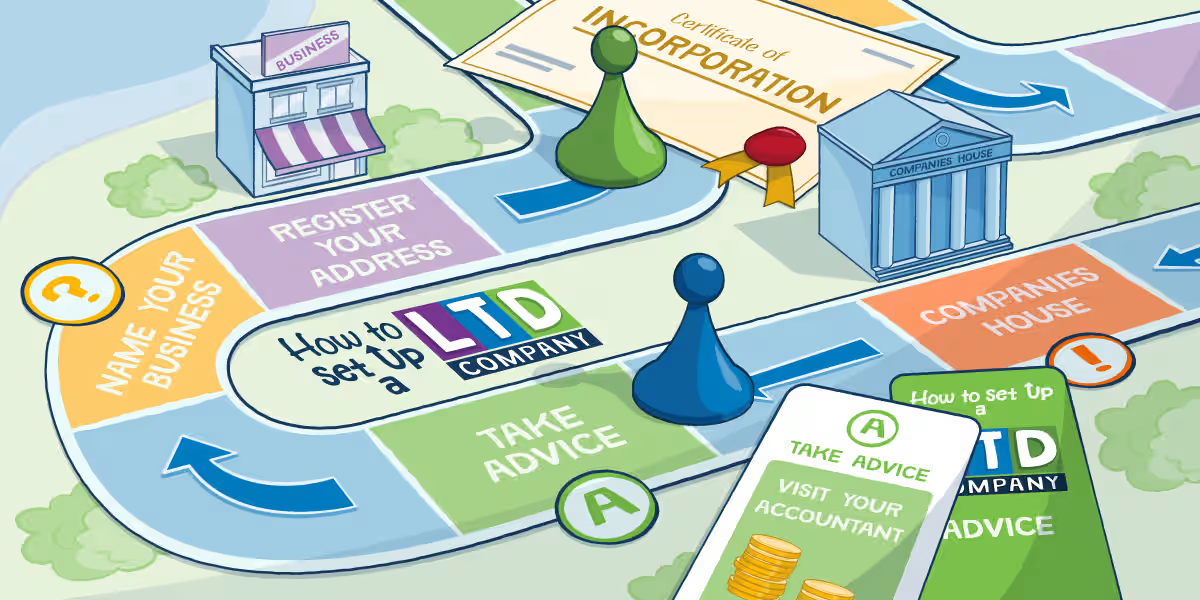
Step‑By‑Step Guide To Starting A Limited Company In The UK
Step‑By‑Step Guide To Starting A Limited Company In The UK Starting a limited company in the UK is one of the smartest decisions for anyone who wants to build a serious and scalable business. Whether you are a freelancer, digital entrepreneur, consultant, or small business owner, a limited company gives you a professional identity, legal protection, and better opportunities for growth.
Unlike a sole trader, a limited company exists as a separate legal entity, which means your personal assets are usually protected if the business faces losses. However, setting up a limited company is not just about filling a form—it involves legal rules, government registration, and ongoing responsibilities. In this step-by-step guide, you will learn the complete legal process of starting a limited company in the UK in a simple, clear, and beginner-friendly way.
Step 1: Understand What a Limited Company Is
Step‑By‑Step Guide To Starting A Limited Company In The UK Before registering, it is important to understand what a limited company actually means. A limited company is a business structure where the company itself is treated as a separate legal person. This means the company can own property, enter into contracts, earn profits, and pay taxes in its own name.
The owners of the company are called shareholders, and the people who manage it are called directors. The biggest benefit is limited liability, which means your personal money and property are usually safe if the company fails. However, this structure also brings legal duties such as filing annual accounts, confirmation statements, and corporation tax returns.
READ ALSO :-
Step 2: Decide If a Limited Company Is Right for You
A limited company is ideal for people who want to grow their business, work with big clients, or improve tax efficiency. It offers a professional image and makes it easier to raise investment. However, it also involves more paperwork and compliance compared to being a sole trader. If your income is growing steadily and you want long-term stability, a limited company is usually the better choice.
Step 3: Choose Your Company Name
Step‑By‑Step Guide To Starting A Limited Company In The UK Choosing the right company name is the first legal step. Your company name must be unique and should not be too similar to any existing registered business. It must end with “Limited” or “Ltd” and should not contain restricted words like “Royal” or “Authority” without permission. You should always check the name on the Companies House website before finalising it. Along with this, it is wise to check domain name availability if you plan to create a website.
Step 4: Decide Your Registered Office Address
Every limited company must have a registered office address. This is the official address where all legal letters from the government are sent. This address must be in the same part of the UK where your company is registered and it will appear on the public record. Many people use their home address at the beginning, while others prefer using their accountant’s address or a virtual office for privacy.
Step 5: Appoint Directors and Shareholders
Step‑By‑Step Guide To Starting A Limited Company In The UK A UK limited company must have at least one director. The director is legally responsible for running the company and making sure all legal rules are followed. The director must be at least 16 years old. Along with directors, you also need to decide who the shareholders will be. Shareholders are the owners of the company. In most small businesses, the same person acts as both director and shareholder, which is completely legal.
READ ALSO :-
Step 6: Decide the Share Structure
You must decide how many shares your company will issue and the value of each share. Most small companies issue 100 ordinary shares of £1 each. If only one person owns all the shares, then that person will be the sole owner. If anyone holds more than 25% of shares, they must be recorded as a Person with Significant Control (PSC). This is a legal requirement for transparency.
Step 7: Choose Your SIC Code
Step‑By‑Step Guide To Starting A Limited Company In The UK A SIC code describes what type of business your company does. This helps Companies House and HMRC understand your business activity. For example, there are different codes for IT services, education, marketing, retail, and consultancy. You can choose more than one SIC code if your business falls into multiple categories.
Step 8: Prepare Legal Company Documents
Two legal documents are required to form a company. The first is the Memorandum of Association, which confirms that the shareholders agree to form the company. The second is the Articles of Association, which acts as the rulebook for how the company will operate. Most people use standard model articles because they are simple and legally valid.
Step 9: Register the Company with Companies House
Once all details are ready, you can officially register your company with Companies House. This process is called incorporation. The fastest method is online registration. Most applications are approved within 24 hours. After registration, you receive your Certificate of Incorporation, which proves that your company legally exists.
Step 10: Register for Corporation Tax and Other Taxes
Step‑By‑Step Guide To Starting A Limited Company In The UK After incorporation, your company must be registered for Corporation Tax with HMRC. This usually needs to be done within a few months of starting business operations. If your turnover crosses the VAT threshold, VAT registration becomes mandatory. If you plan to pay yourself or employees a salary, you must also register for PAYE.
READ ALSO :-
Step 11: Open a Business Bank Account
A limited company must have a separate business bank account. Never mix your personal money with company money. A business bank account helps with accounting, tax filings, and legal clarity. Banks usually require your Certificate of Incorporation and identity documents to open an account.
Step 12: Understand Your Ongoing Legal Responsibilities
Step‑By‑Step Guide To Starting A Limited Company In The UK After setting up your company, you must regularly file annual accounts with Companies House, submit a confirmation statement, and pay corporation tax to HMRC. You must also keep proper records of income, expenses, shareholders, and directors. Missing deadlines can result in heavy fines and even company closure.
Conclusion
Step‑By‑Step Guide To Starting A Limited Company In The UK Starting a limited company in the UK is a powerful step toward building a secure and professional business. While the registration process itself is simple, the legal responsibilities that come after are just as important. By following each step correctly—from choosing a company name to filing taxes—you can ensure that your business stays compliant, trustworthy, and ready for growth. If you are serious about long-term success, forming a limited company is one of the strongest foundations you can build.
FAQs
Q1. How long does it take to register a limited company in the UK?
Online registration usually takes 24 hours in most cases.
Q2. Can I run a limited company alone?
Yes, one person can be both the director and the shareholder.
Q3. Is a business bank account compulsory?
Yes, a separate bank account is legally required for financial clarity.
Q4. Do I need an accountant?
It is not compulsory, but highly recommended for tax and compliance.
Q5. What happens if I miss my filing deadlines?
You may face fines, penalties, and even company strike-off.
READ ALSO :-

