
Handle UK Parking & Speeding Fines Without Overpaying
Handle UK Parking & Speeding Fines Without Overpaying Parking tickets and speeding fines are among the most common legal penalties faced by drivers in the UK. Every year, millions of motorists receive Penalty Charge Notices (PCNs), Fixed Penalty Notices (FPNs), and private parking charges—often paying immediately out of fear, confusion, or pressure. However, many drivers do not realise that a large percentage of these fines are incorrect, unfair, or legally challengeable.
Overpaying happens when people do not understand their rights, deadlines, discount periods, or appeal options. This complete guide explains how to legally handle parking and speeding fines in the UK in a smart way—so you only pay what you truly owe, and not a single pound more.
Understanding the Types of UK Fines
Handle UK Parking & Speeding Fines Without Overpaying Before you can deal with a fine properly, you must understand what type of fine you’ve received, because each one follows different legal rules.
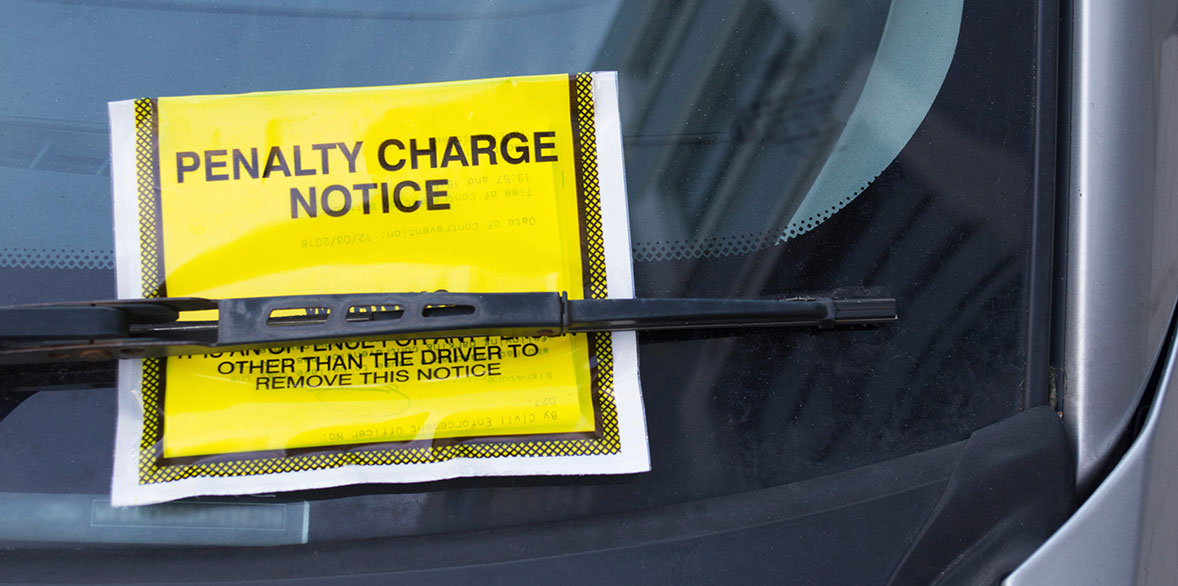
1. Penalty Charge Notice (PCN)
Issued by:
-
Local councils
-
Transport authorities
These relate to:
-
On-street parking
-
Bus lanes
-
Yellow box junctions
-
Congestion zones
PCNs are civil penalties, not criminal ones.
2. Fixed Penalty Notice (FPN)
Issued by:
-
Police
-
Speed cameras
These apply to:
-
Speeding
-
Using a phone while driving
-
No seatbelt
-
Red-light offences
These are criminal motoring offences that usually carry points + a fine.
3. Private Parking Charge Notice
Issued by:
-
Supermarkets
-
Retail parks
-
Private car parks
These are invoices, not official fines—but they are still legally enforceable in many cases.

Step 1: Never Pay Immediately Without Checking
Handle UK Parking & Speeding Fines Without Overpaying The biggest mistake UK drivers make is paying instantly without checking legality. Many fines are:
-
Issued incorrectly
-
Based on faulty cameras
-
Missing legal wording
-
Outside legal time limits
-
Sent to wrong vehicle owners
Once you pay, you usually lose your right to appeal. Always check first.
Step 2: Check All Details on the Notice
Immediately inspect the fine for:
-
Correct vehicle registration
-
Correct date & time
-
Correct location
-
Evidence photos
-
Issuing authority
-
Legal wording
-
Payment & appeal deadlines
A single serious error can make the fine legally invalid.
READ ALSO :-
Step 3: Understand the Discount Period (Pay Less Legally)
Handle UK Parking & Speeding Fines Without Overpaying Most UK fines offer a 50% discount if paid within 14 days:
-
£70 becomes £35
-
£100 becomes £50
If your appeal is rejected, many councils re-offer the discount—so you don’t lose money by challenging first.
Step 4: When You Should Always Appeal
You should appeal if:
-
Road signs were unclear or hidden
-
Machine was broken
-
You were forced to stop due to emergency
-
The camera was misaligned
-
The ticket was issued too late
-
The offence did not match evidence
-
Markings were faded
-
The wrong vehicle was fined
Thousands of UK drivers win appeals every month.
Step 5: How to Appeal a Parking Fine Properly
Handle UK Parking & Speeding Fines Without Overpaying Each PCN includes appeal instructions. The process usually has:
-
Informal challenge
-
Formal representation
-
Independent tribunal
You should:
-
Upload photos
-
Provide witness statements
-
Show proof of ticket purchase
-
Show dashcam evidence
-
Reference council errors
Independent tribunals are free and unbiased.
Step 6: Handling Speeding Fines Without Overpaying
Speeding fines usually involve:
-
£100 fine
-
3 penalty points
But you may be eligible for:
✅ Speed Awareness Course
-
Costs around £80–£100
-
No points added
-
No insurance penalty
If you are offered a course, it is often cheaper long-term than taking points.
Step 7: When Speeding Fines Can Be Challenged
You can legally challenge when:
-
Camera signage was missing
-
Speed limit signage unclear
-
Camera was faulty
-
You were not the driver
-
The NIP arrived late (over 14 days)
-
Speed measurement is questionable
Late notices automatically cancel some fines.
Step 8: What Happens If You Ignore a Fine?
Handle UK Parking & Speeding Fines Without Overpaying Ignoring fines increases cost rapidly:
-
Original £60 → £240 → court enforcement
-
Bailiffs may attend
-
Vehicle clamping may occur
-
CCJs can be registered
-
Driving licence points enforced
Ignoring never saves money—it multiplies it.
Step 9: Private Parking Fines – Know Your Real Power
Private parking companies rely heavily on fear tactics. But:
-
They are not criminal fines
-
They cannot add points
-
They must follow strict rules
You should appeal if:
-
Signage unclear
-
No valid landowner authority
-
Incorrect vehicle registration
-
Overstay within reasonable grace period
-
Faulty registration system
Independent bodies like POPLA often cancel unfair charges.
Step 10: Bailiffs and Debt Collection – Don’t Panic
Handle UK Parking & Speeding Fines Without Overpaying If the fine reaches bailiffs:
-
You still have legal rights
-
They cannot force entry for most fines
-
They must show ID
-
They must follow strict conduct rules
Many people pay unnecessary fees simply from fear. Legal advice can stop enforcement quickly.
How Insurance Is Affected by Speeding Fines
Handle UK Parking & Speeding Fines Without Overpaying Points usually increase premiums. Insurers ask about:
-
Speeding convictions
-
Mobile phone use
-
Dangerous driving
Avoiding points through a speed course often saves hundreds per year in insurance.
How Long Do Fines Stay On Record?
-
PCNs: Financial record only
-
Speeding points: 4 years
-
Court convictions: Up to 11 years on some records
Common Myths That Make Drivers Overpay
❌ “You must always pay immediately”
❌ “Private fines are always fake”
❌ “Appeals never work”
❌ “Bailiffs can always enter”
❌ “Points are unavoidable”
All of these are false.
Smart Money-Saving Strategy for UK Drivers
-
✅ Always review the fine
-
✅ Check legal deadlines
-
✅ Use appeal rights first
-
✅ Seek speed course options
-
✅ Never ignore escalation letters
-
✅ Keep evidence photos
-
✅ Track all payments
When You Should Get Legal Advice
Handle UK Parking & Speeding Fines Without Overpaying You should seek legal advice if:
-
You face disqualification
-
Large fine involved
-
Bailiffs are active
-
Your job depends on your licence
-
You risk 12 points (totting up)
A short consultation can save thousands of pounds.
Conclusion
Handle UK Parking & Speeding Fines Without Overpaying Handling parking and speeding fines in the UK does not mean blindly paying every notice that lands on your doorstep. Many fines are legally flawed, poorly issued, or unfairly enforced—and thousands of drivers successfully challenge them every year.
By understanding the type of fine you’ve received, checking legal errors, using appeal rights properly, taking advantage of discount windows, and choosing speed awareness courses where available, you can fully protect your driving record and your money. Overpaying usually happens due to fear and lack of legal knowledge—not because the fine was unavoidable. Knowledge gives you financial protection, legal power, and peace of mind.
FAQs
Q1. Can I appeal a parking fine after paying?
Usually no. Payment normally closes the appeal right.
Q2. Will a private parking fine affect my credit record?
Only if it goes to court and remains unpaid after a judgment.
Q3. How many points lead to a driving ban?
12 points within 3 years usually triggers disqualification.
Q4. Can Bailiffs clamp my car for PCNs?
Yes, in some cases—but only after court authorization.
Q5. Is a speed awareness course always offered?
No. It depends on speed level and your driving history.
Q6. What if I sold the car before the fine?
You can transfer liability with proof of sale.
Q7. Can I challenge fines years later?
Only in very limited court-review circumstances.
READ ALSO :-

