
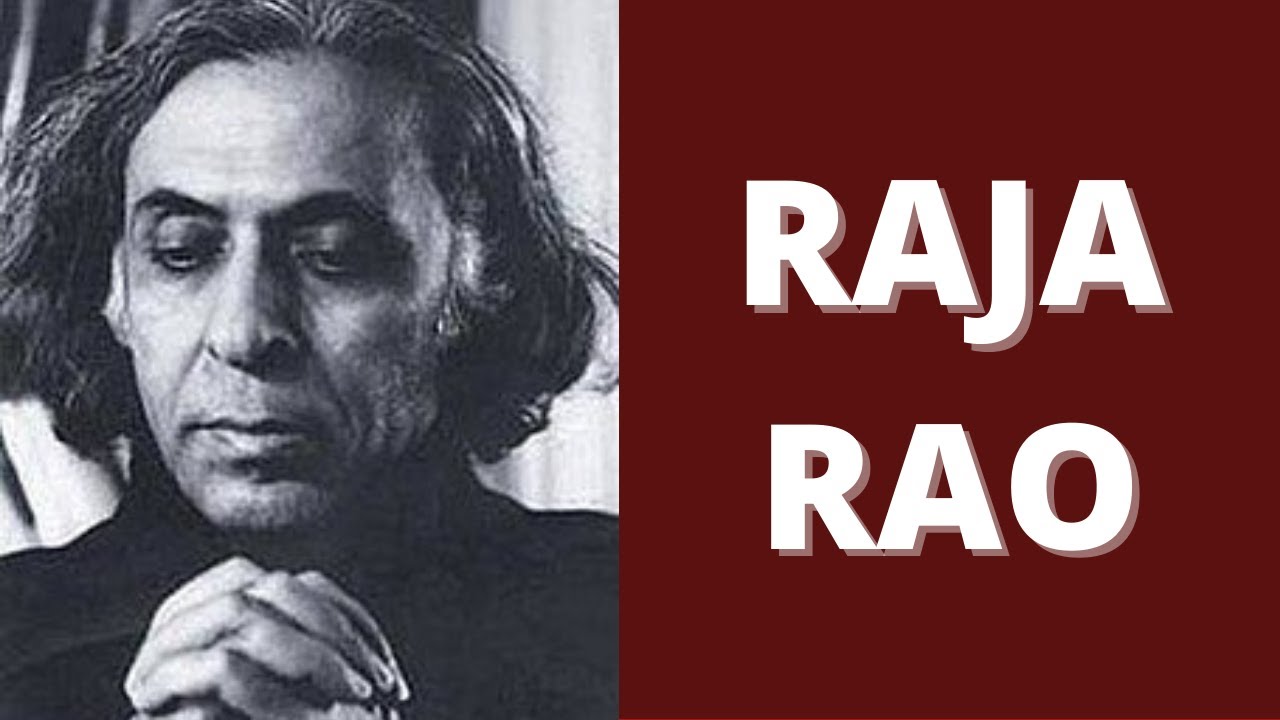
Why did Raja Rao wrote Kanthapura
Why did Raja Rao wrote Kanthapura-Raja Rao, a prominent figure in Indian English literature, penned Kanthapura with a profound intention to encapsulate the socio-political and cultural milieu of India during the tumultuous period of the Indian independence movement. Published in 1938, this novel stands as a significant literary work that not only reflects the historical context of its time but also serves as a powerful exploration of the complex interplay between tradition and modernity, caste dynamics, and the struggle for freedom.Why did Raja Rao wrote Kanthapura
Rao’s motivation to write “Kanthapura” stemmed from a deep commitment to portraying the social realities of rural India within the framework of the Gandhian philosophy and the fight against British colonial rule. Set in a fictional South Indian village, the novel seeks to capture the spirit of the Indian independence movement and its impact on the lives of ordinary people.
Central to Rao’s motivation was the desire to provide a literary voice to the marginalized and oppressed sections of society. Through the lens of characters like Moorthy, a young Brahmin leader in the fight against colonial rule, “Kanthapura” sheds light on the deeply entrenched caste system in India and its intersection with the larger political struggle for independence.
The choice to write “Kanthapura” in English adds another layer of significance to the work. At a time when much of Indian literature was in regional languages, Rao’s decision to use English as the medium aimed to reach a broader audience, both within and outside India. By doing so, he intended to convey the depth and complexity of Indian society to a global readership, fostering a better understanding of the multifaceted issues facing the nation.
Also Read-
- What is the summary of Kanthapura and Themes
- Kocharethi : the araya woman Summary
- Tughlaq Summary By Girish Karnad
The novel’s narrative style, a unique blend of Indian oral traditions, folk storytelling, and the modern novel form, further contributes to Rao’s purpose. This fusion captures the essence of Indian culture and serves as a commentary on the evolving nature of literature. Through this narrative approach, Rao invites readers to engage with the story on a deeper level, encouraging reflection on the historical and cultural aspects embedded in the narrative.Why did Raja Rao wrote Kanthapura
Rao’s exploration of Gandhian philosophy and its impact on the characters and the village of Kanthapura is central to the novel’s thematic richness. The influence of Mahatma Gandhi’s principles becomes a metaphor for the broader struggle for independence, delving into the complexities of adopting non-violence and civil disobedience in the face of oppression and societal divisions.
The choice of Kanthapura as the novel’s backdrop is symbolic, portraying the rhythms of rural life and the traditions that shape the villagers’ identities. By anchoring the narrative in a specific locale, Rao emphasizes the microcosm of India and the intricate ways in which the struggle for independence permeates every aspect of life in the village.
Beyond its historical and political dimensions, “Kanthapura” serves as a literary response to the discourse on identity and cultural pride. Rao challenges the colonial legacy of linguistic dominance by using the English language to tell an inherently Indian story. Navigating the complexities of cultural hybridity, the novel presents a narrative rooted in the Indian soil yet accessible to a global readership.
Conclusion:
In conclusion, Raja Rao’s “Kanthapura” remains a literary classic that is independent of its era. Rao’s desire to accurately portray the social realities of rural India during the Indian independence movement served as a major driving force for the writing of this book. Rao deftly woven together themes of caste dynamics, Gandhian philosophy, and the battle for liberation through the imaginary community of Kanthapura. Choosing to write in English, he aimed to make the narrative accessible to a global audience, contributing to a nuanced understanding of India’s complex socio-cultural landscape. The novel’s unique narrative style, a blend of Indian traditions and modern novel form, adds to its richness and continues to resonate as a timeless exploration of human resilience and the pursuit of justice.Why did Raja Rao wrote Kanthapura
FAQ:
1. Why did Raja Rao write “Kanthapura”?
Raja Rao wrote “Kanthapura” with the intention of capturing the socio-political and cultural landscape of India during the Indian independence movement. His motivation included depicting the struggles of ordinary people, exploring caste dynamics, and illustrating the impact of Gandhian philosophy on the fight against British colonial rule.
2. Why did Rao choose to write “Kanthapura” in English?
At a time when much of Indian literature was written in regional languages, Rao chose English as the medium to reach a broader audience, both within and outside India. This decision aimed to convey the depth and complexity of Indian society to a global readership, fostering a better understanding of the multifaceted issues facing the nation.
3. What is the significance of the novel’s narrative style?
“Kanthapura” employs a unique narrative style that combines Indian oral traditions, folk storytelling, and the modern novel form. This blend captures the essence of Indian culture and serves as a commentary on the evolving nature of literature. It invites readers to engage with the story on a deeper level, encouraging reflection on historical and cultural aspects embedded in the narrative.
4. How does “Kanthapura” explore Gandhian philosophy?
The novel delves into the impact of Mahatma Gandhi’s principles, such as non-violence, civil disobedience, and self-reliance, on the characters and the village of Kanthapura. The influence of Gandhian philosophy becomes a metaphor for the broader struggle for independence, addressing the complexities of adopting these principles in the face of oppression and societal divisions.

