
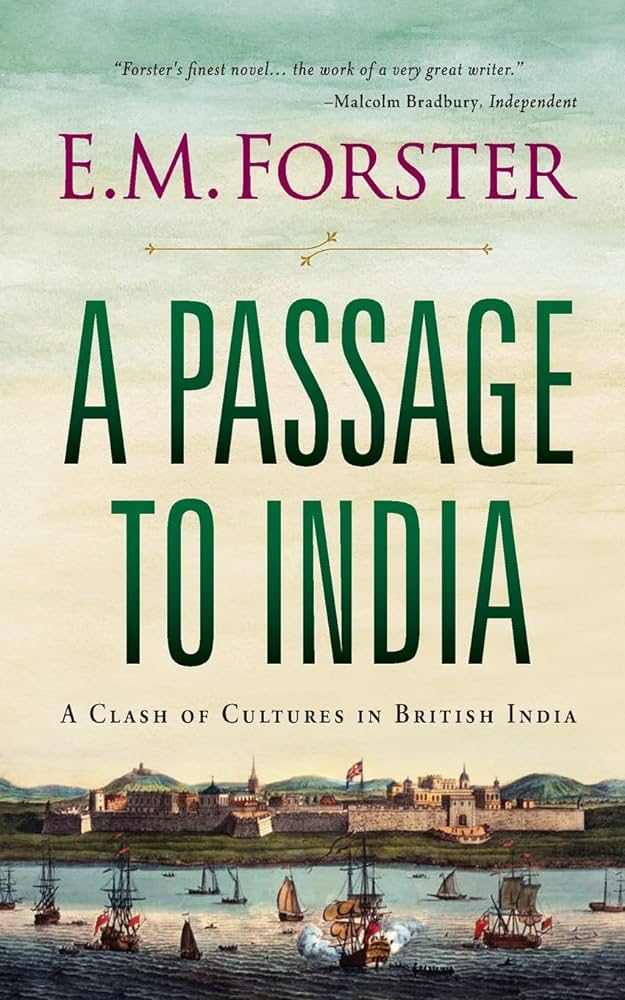
Write a critical note on Passage to India
E.M. Forster’s novel A Passage to India delves into the intricacies of interpersonal connections, conflicts between cultures, and the consequences of imperialism on both the colonizer and the colonized. The novel, which was published in 1924, offers a sophisticated analysis of the social, political, and cultural dynamics of the early 20th century in British India.
Narrative Structure Of A Passage to India:
“A Passage to India,” written by Forster, has a distinct narrative structure that is divided into three sections. The first two sections concentrate on the relationships between the Indian populace and the British colonists, taking place in the made-up Indian city of Chandrapore. But the third section, which is set in England, offers a commentary on what happened in India. Forster is able to portray a multifaceted picture of the racial and cultural tensions that are a part of colonialism thanks to this framework.
Write a critical note on Passage to India-The narrative of the book is distinguished by its complex layering and shifting points of view, which makes it an enjoyable but difficult read. By deftly fusing the political and the personal, Forster gives readers a rich tapestry of interwoven stories. As they negotiate the intricacies of the characters’ relationships and the larger socio-political context, readers are encouraged to interact critically with the text because of its complex narrative structure.
Character Development In A Passage to India:
Forster’s characterization in “A Passage to India” is one of the novel’s strongest elements. The characters are not mere stereotypes but complex individuals with multifaceted personalities and motivations. The central characters, such as Dr. Aziz, Adela Quested, and Fielding, are representative of the diverse perspectives existing in the colonial setting.
Write a critical note on Passage to India-As a mediator between the two cultures, Dr. Aziz, an Indian Muslim, represents the challenge of balancing his identity with the demands placed on him by the British colonizers. Conversely, Adela Quested stands for the misguided but well-intentioned attitudes of many British people toward the colonized people. A complex portrait of someone who attempts to close the cultural divide is given by the character of British schoolteacher Fielding, emphasizing the possibility of sincere communication and understanding.
Themes Of A Passage to India:
The novel delves into several thematic elements that remain relevant and thought-provoking. One of the central themes is the exploration of cultural and racial prejudices. Forster exposes the inherent biases that exist between the British and Indians, illustrating how these prejudices hinder genuine communication and understanding.
Also Read-
- Boswell’s Life of Johnson is a piece of art
- Write a detailed note on how Gandhi spent his days in Calcutta and in Burma as is seen from his An Autobiography
- What do you understand by the stream of consciousness novel and explain with reference to The Binding Vine
The criticism of colonialism and imperialism is another important theme. Forster delivers a biting critique of British imperialism’s destructive nature, highlighting the dehumanizing consequences it has on both colonizers and colonized people. Specifically, the Marabar Caves incident is a metaphor for the emptiness and incomprehensibility that permeate the colonial encounter.
Identity and Power Dynamics:
“A Passage to India” intricately examines the power dynamics inherent in colonial relationships. The colonizers wield authority and control over the colonized, leading to a sense of disempowerment and alienation among the native population. The characters grapple with questions of identity as they navigate the cultural and racial boundaries imposed by the colonial system.
Write a critical note on Passage to India-The book also emphasizes how difficult it can be for well-meaning people to overcome deeply rooted prejudices. Even with the sincere attempts of people such as Fielding to promote friendship and understanding, the larger systemic problems and the dominant colonial mentality prove to be insurmountable barriers.
Relevance and Legacy:
Even nearly a century after its publication, “A Passage to India” remains relevant in its exploration of themes that transcend the specific historical context of British India. The issues of cultural clash, prejudice, and the ramifications of imperialism continue to resonate in contemporary discussions on post-colonialism and global relationships.
Write a critical note on Passage to India-The novel also highlights the limitations of good intentions in overcoming deeply ingrained prejudices. Despite the genuine efforts of individuals like Fielding to foster understanding and friendship, the broader systemic issues and the prevailing colonial mindset prove insurmountable obstacles.
Conclusion
E.M. Forster’s novel “A Passage to India” never fails to enthrall readers with its examination of interpersonal relationships, conflicts between cultures, and the effects of imperialism. Its timeless themes, well-developed characters, and complex narrative structure all contribute to its literary classic status and ongoing relevance.
Write a critical note on Passage to India-Forster continues to provoke readers’ thoughts with his critique of cultural prejudices, imperialism, and the complexities of identity. This encourages readers to critically consider the novel’s lasting significance.
FAQ:
1. Why is “A Passage to India” considered a classic?
“A Passage to India” is considered a classic due to its exploration of universal themes such as cultural clash, prejudice, and the consequences of imperialism. The novel’s unique narrative structure, well-drawn characters, and enduring relevance contribute to its status as a literary masterpiece.
2. How does Forster address the theme of imperialism in the novel?
Forster critiques imperialism by depicting the destructive impact of British colonialism on both the colonizers and the colonized. The Marabar Caves incident serves as a metaphor for the emptiness and incomprehensibility of the colonial encounter, highlighting the dehumanizing effects of imperialism.
3. What is the significance of the novel’s narrative structure?
The novel’s narrative structure, divided into three parts, allows Forster to present a multi-dimensional view of the cultural and racial tensions in British India. The shifting perspectives and intricate layering contribute to the complexity of the narrative, inviting readers to engage critically with the text.
4. How does the novel address issues of identity and power dynamics?
The novel explores the power dynamics inherent in colonial relationships, illustrating how the colonizers wield authority over the colonized. The characters grapple with questions of identity as they navigate cultural and racial boundaries, highlighting the challenges of bridging divides imposed by the colonial system.
5. What is the legacy of “A Passage to India” in contemporary discussions?
The novel’s enduring legacy lies in its ability to provoke critical reflection on the complexities of human interaction and the consequences of imperialism. Its exploration of universal themes ensures its relevance in contemporary discussions on post-colonialism, cultural understanding, and global relationships.

