
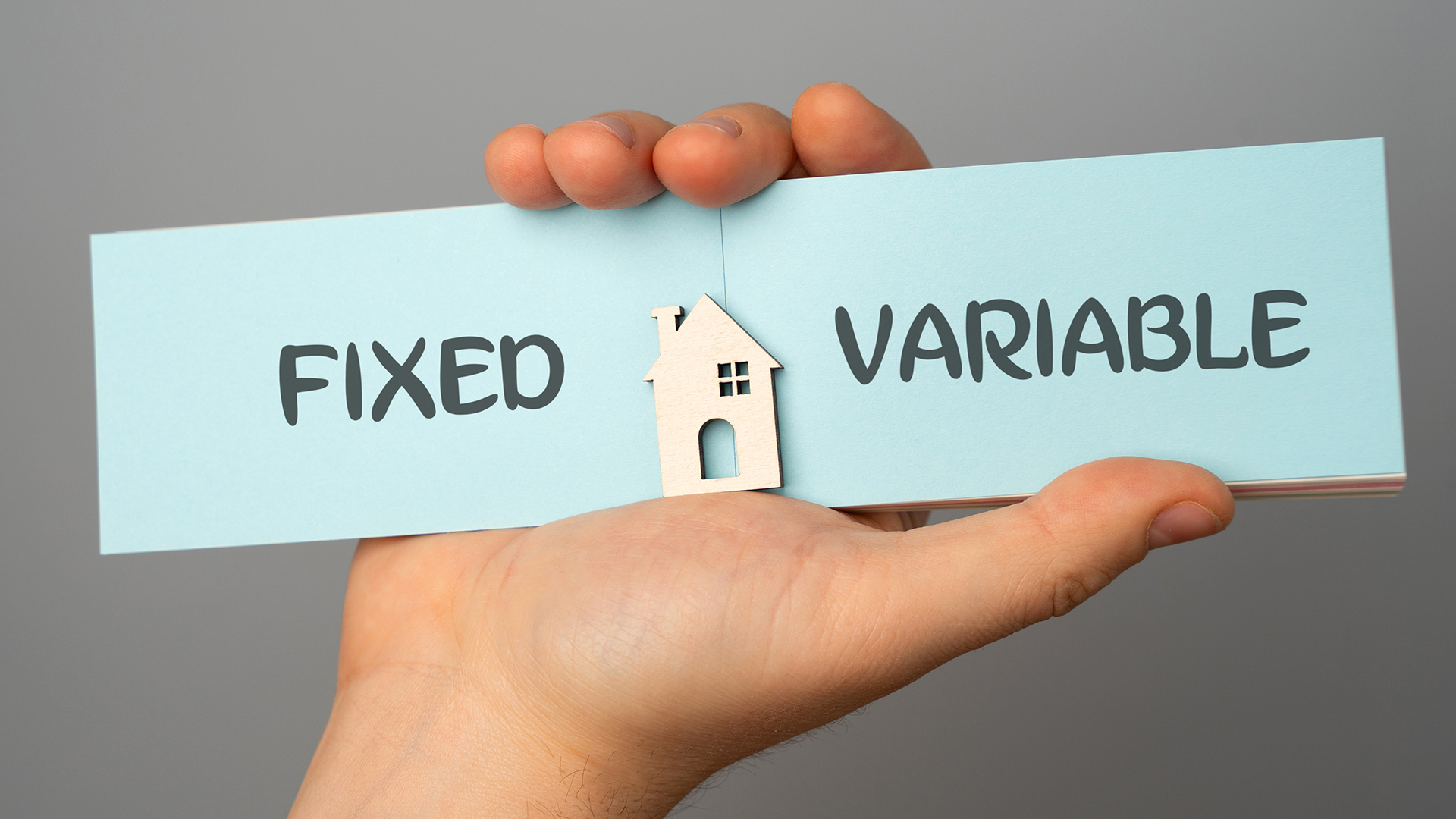
Fixed vs Variable Rate Mortgages UK: Which Is Best 2025 ?
Fixed vs Variable Rate Mortgages UK: Which Is Best 2025? Choosing between a fixed-rate and a variable-rate mortgage is one of the most important decisions UK homebuyers and remortgagers will make in 2025. With interest rates having fluctuated in recent years and economic uncertainty still influencing lender pricing, borrowers are asking a simple but crucial question: should I fix my mortgage rate or go variable?
Understanding Mortgage Interest Rates in the UK
Fixed vs Variable Rate Mortgages UK: Which Is Best 2025? Mortgage interest rates determine how much you repay each month and over the life of your loan. In the UK, rates are influenced by:
-
The Bank of England base rate
-
Inflation levels
-
Economic growth and stability
-
Lender funding costs
When rates rise, borrowing becomes more expensive. When rates fall, monthly repayments can reduce—especially for variable-rate borrowers.
What Is a Fixed-Rate Mortgage?
A fixed-rate mortgage locks your interest rate for a set period, typically 2, 3, 5, or 10 years.
How Fixed-Rate Mortgages Work
During the fixed period:
-
Your interest rate stays the same
-
Monthly repayments remain unchanged
-
You are protected from rate rises
After the fixed term ends, the mortgage usually moves onto the lender’s standard variable rate (SVR) unless you remortgage.
Pros of Fixed-Rate Mortgages
-
Payment certainty – ideal for budgeting
-
Protection from rate increases
-
Peace of mind during uncertain markets
-
Popular with first-time buyers
Cons of Fixed-Rate Mortgages
-
You won’t benefit if rates fall
-
Early repayment charges can apply
-
Initial rates may be higher than variable deals

What Is a Variable-Rate Mortgage?
A variable-rate mortgage has an interest rate that can change over time. This means your monthly payments can go up or down.
Types of Variable-Rate Mortgages
-
Tracker Mortgage
-
Follows the Bank of England base rate
-
Rate = base rate + lender margin
-
-
Standard Variable Rate (SVR)
-
Set by the lender
-
Can change at any time
-
-
Discounted Variable Rate
-
Discounted from the lender’s SVR for a set period
-
Pros of Variable-Rate Mortgages
-
Often lower initial rates
-
Benefit immediately if interest rates fall
-
More flexible, with fewer exit fees
-
Suitable for short-term borrowers
Cons of Variable-Rate Mortgages
-
Monthly payments can rise suddenly
-
Harder to budget
-
Higher risk during rate volatility
Fixed vs Variable Mortgages: Key Differences
| Feature | Fixed Rate | Variable Rate |
|---|---|---|
| Payment stability | High | Low |
| Risk level | Low | Medium to high |
| Benefits from rate cuts | ❌ No | ✅ Yes |
| Budget planning | Easy | Uncertain |
| Exit fees | Often apply | Usually lower |
Which Is Better in 2025?
The 2025 Mortgage Market Outlook
In 2025, borrowers face:
-
Ongoing interest rate uncertainty
-
Gradual inflation stabilisation
-
Cautious lender pricing
Because of this, many borrowers are prioritising security over speculation.
When a Fixed-Rate Mortgage Is Better in 2025
Fixed vs Variable Rate Mortgages UK: Which Is Best 2025? A fixed-rate mortgage may be the better option if you:
-
Want predictable monthly payments
-
Are a first-time buyer
-
Have a tight household budget
-
Plan to stay in the property long-term
-
Are risk-averse
Fixing your rate protects you from unexpected increases and helps with long-term planning.
When a Variable-Rate Mortgage Is Better in 2025
A variable-rate mortgage could suit you if you:
-
Expect interest rates to fall
-
Can afford higher payments if rates rise
-
Plan to remortgage or move soon
-
Want flexibility and lower exit fees
Borrowers with higher incomes or savings often choose variable deals for potential savings.
Fixed vs Variable for First-Time Buyers
Fixed vs Variable Rate Mortgages UK: Which Is Best 2025? Most first-time buyers in the UK choose fixed-rate mortgages, especially in uncertain markets.
Why Fixed Rates Appeal to First-Time Buyers
-
Easier budgeting
-
Stable payments while adjusting to homeownership
-
Lower financial stress
However, some first-time buyers with strong finances may consider trackers if rates are expected to drop.
Fixed vs Variable for Remortgaging
Remortgagers have more flexibility and experience.
-
Fixed rates suit those nearing retirement or with limited income growth
-
Variable rates may suit landlords or higher earners
Timing is crucial when switching mortgage types.
How Long Should You Fix For?
2-Year Fixed
-
Lower initial rate
-
More frequent remortgaging
-
Risk of higher future rates
5-Year Fixed
-
Long-term stability
-
Popular choice in 2025
-
Higher initial rate but better protection
10-Year Fixed
-
Maximum security
-
Fewer options
-
Suitable for long-term homeowners
Cost Comparison Example
£200,000 mortgage over 25 years
-
Fixed rate: 4.8% → ~£1,150/month
-
Variable rate: 4.3% → ~£1,080/month
If rates rise by 1%, variable payments could exceed fixed within months.
Things to Consider Before Choosing
Fixed vs Variable Rate Mortgages UK: Which Is Best 2025? Before deciding, ask yourself:
-
Can I handle payment increases?
-
How long will I stay in the property?
-
Is my income stable?
-
Do I value flexibility or certainty?
There is no universal “best” mortgage—only what suits your situation.
Should You Speak to a Mortgage Broker?
A mortgage broker can:
-
Compare fixed and variable deals
-
Explain lender criteria
-
Access exclusive products
-
Save time and money
Many UK brokers offer free advice, especially for first-time buyers.
Final Verdict: Fixed or Variable in 2025?
Fixed vs Variable Rate Mortgages UK: Which Is Best 2025? For most UK borrowers in 2025, fixed-rate mortgages offer greater peace of mind. They provide certainty in a still-changing economic environment.
However, variable-rate mortgages can offer savings for financially secure borrowers willing to take on risk.
The best choice depends on your risk tolerance, financial stability, and future plans.
READ ALSO :
Guarantor Loans And Joint Mortgages In The UK: Risks And Benefits

