

Introduction
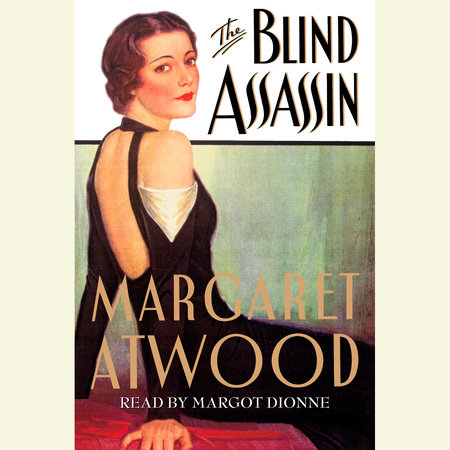
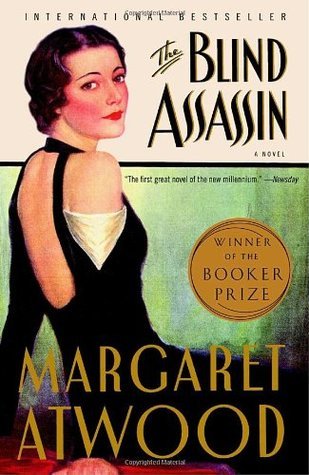
The Blind Assassin Novel Summary By Margaret Atwood Margaret Atwood’s eerie and intricate novel The Blind Assassin explores themes of love, treachery, power, and the place of women in society by weaving together several stories. It was published in 2000 and won the Booker Prize. It was praised by critics for its deep examination of social restrictions and human connections as well as its complex narrative.
The novel explores the complexities of familial dynamics, the nature of memory, and the fuzziness of the lines separating fact from fiction via the life of Iris Chase Griffen.
The Blind Assassin, which is set in Canada after World War II, is organized as a multi-layered plot. Iris’s personal story is interlaced with a fantasy science fiction book by her late sister Laura, also called The Blind Assassin. By skillfully tying these stories together, Atwood gives readers insight into the past, a family’s hidden secrets, and the ways that literature can both help and hurt.
Atwood’s writing is filled with dark, introspective reflections on love, power dynamics, and the societal roles forced upon women. The novel explores how a family’s darkest secrets can shape its members and how people use fiction to communicate truths they may not dare speak directly. The Blind Assassin is a story about looking back, confronting painful truths, and understanding how one’s past informs the present.
Summary of The Blind Assassin
At the heart of The Blind Assassin is Iris Chase Griffen, a woman reflecting on her life as she grows older, looking back at her youth, her marriage, and the tragic death of her younger sister, Laura. The novel is structured in three primary components: Iris’s narrative in the present day, Laura’s posthumously discovered manuscript, and a science fiction novel that Laura wrote, also titled The Blind Assassin, within the book.
The story begins with Iris, now an elderly woman, recounting the tragic events that shaped her life. Iris is reflecting on her early years, particularly the complex relationship she had with her sister Laura, who died under mysterious circumstances when she was just a young woman. Laura’s death is a turning point in Iris’s life and marks the beginning of her growing emotional and psychological detachment from her past.
Iris and Laura were raised in a wealthy family, the Chases, who owned a successful industrial company. Their father was a powerful, controlling man, and the family’s wealth and status often overshadowed the lives of the daughters. As they grew older, the sisters found themselves grappling with the oppressive nature of their family’s expectations, and Laura, in particular, struggled with her own sense of identity and self-worth.
Iris’s story delves into the tensions within the family, especially with her marriage to Richard Griffen, a wealthy and controlling businessman. Richard marries Iris for her beauty and social status, and their marriage is largely devoid of love or affection. Iris’s relationship with Richard is central to the narrative, as it reveals themes of power, control, and emotional manipulation. Richard’s cold, calculating nature contrasts with Iris’s vulnerability, and their marriage becomes a symbol of the larger societal forces that seek to subdue women’s voices and agency.
As Iris reflects on her life, she recalls the mysterious death of her sister Laura. Laura had been the subject of much fascination for the public, and her death was initially deemed a suicide. However, Iris’s recollections and the fictional manuscript Laura left behind suggest a more complex narrative. As the reader dives into Laura’s manuscript, the second narrative unfolds. The manuscript tells the story of a young woman and her lover who are trapped in a dangerous, fantastical world, with themes of forbidden love, escape, and tragedy.
Read more
The manuscript, a fantastical tale written by Laura, acts as a metaphor for her own life, and through it, the novel delves deeper into Laura’s psyche. Her writing offers a glimpse into her inner world and the frustrations she faced in her personal life. The relationship between the manuscript and the rest of the story adds complexity to the plot, as it blurs the line between reality and fiction.
Eventually, the novel reveals that Laura’s death was not a suicide, but rather a tragic and violent event rooted in the complicated dynamics of the Chase family. Richard’s manipulation, combined with societal pressures and the roles imposed on women, leads to a devastating conclusion. As Iris uncovers the truth about her sister’s death, she is forced to confront her own complicity in the events that led to it. The tension between the narratives—both real and fictional—creates a sense of mystery and suspense, forcing the reader to reconsider the nature of truth, memory, and the consequences of repression.
In the end, The Blind Assassin is a story of betrayal, loss, and the ways in which families, especially those steeped in power and privilege, can manipulate their members. The novel reveals the devastating effects of these power dynamics, the lies people tell themselves, and the sacrifices they make to conform to societal expectations.
Major Themes of The Blind Assassin
1. The Power of Memory and Narrative
One of the central themes of The Blind Assassin is the role of memory in shaping identity and understanding the past. The novel is constructed through the lens of Iris’s memory, which is fragmented and selective. As she recalls her past, Iris reflects on the ways in which memory distorts and reshapes events, sometimes obscuring the truth. Her fragmented recollections complicate the narrative, forcing readers to question what is real and what is constructed in the retelling.
Similarly, the dual narrative of Laura’s manuscript is integral to the theme of memory. Through Laura’s science fiction novel, the text introduces another level of storytelling where fiction and reality intertwine. Laura’s writing offers a reflection of her inner world, where she can assert her desires and fears, allowing for a reimagining of the past. This theme suggests that our understanding of ourselves and others is always shaped by the stories we tell and the way we choose to remember or forget.
2. The Oppression of Women
Throughout The Blind Assassin, Atwood explores the roles imposed upon women in society, particularly in the context of the early 20th century. Iris, Laura, and the other female characters are all constrained by their gender roles. In Iris’s case, she is trapped in a loveless, controlling marriage with Richard, a man who sees her as a means to achieve his own goals rather than as a person with desires and autonomy. Similarly, Laura is seen by society as a beautiful, fragile figure, and her inner turmoil is dismissed as weakness. The novel critiques these societal expectations and highlights the ways in which women’s voices and desires are suppressed.
The theme of female oppression is further explored through the tragic events of Laura’s life and death. Laura’s writing becomes a means of escape, as she expresses her frustrations and dreams through her fantasy novel. However, her eventual tragic fate illustrates the destructive consequences of living under societal and familial pressure, demonstrating the deep scars left by patriarchal control.
Read more
3. Family Secrets and Betrayal
A significant theme in The Blind Assassin is the impact of family secrets and betrayal. The novel centers around Iris’s recollection of her family’s past, particularly her relationship with her sister Laura and her marriage to Richard. As Iris uncovers the truth about her sister’s death, she must confront the lies and deceit that have shaped her life. The novel suggests that family secrets often come with painful consequences, and the inability to confront or speak about these truths can lead to tragic outcomes.
The Chase family is depicted as a family riddled with secrets. Iris’s complicity in keeping these secrets leads to feelings of guilt and shame. The exploration of betrayal, both within families and in relationships, is a key theme that emphasizes the emotional cost of keeping quiet and accepting the status quo.
4. The Relationship Between Fiction and Reality
Atwood plays with the boundaries between fiction and reality in The Blind Assassin. The insertion of Laura’s fantastical manuscript within the larger narrative creates a meta-textual layer that blurs the lines between what is real and what is imagined. The novel within a novel reflects the idea that fiction can be a means of coping with reality, offering a space for escape or for expressing desires that cannot be fulfilled in the real world.
This theme is particularly relevant to Laura’s life, as her writing provides an outlet for her to express her emotions, desires, and frustrations. However, the manuscript also serves as a reflection of her inner turmoil, suggesting that the stories we create can be both a reflection of and a reaction to the world we live in.
5. Guilt and Redemption
Guilt is a pervasive theme in The Blind Assassin, particularly through Iris’s character. As she looks back on her life, Iris grapples with feelings of guilt and responsibility for the events surrounding Laura’s death. Her own role in allowing the circumstances that led to Laura’s tragic fate is something she must come to terms with. The theme of guilt is also tied to the larger question of redemption, as Iris seeks to make sense of her past actions and understand what, if anything, can redeem her.
The theme of guilt also extends to the narrative itself, as the reader is prompted to question the reliability of the storytellers and the moral choices made by the characters. In this way, the novel delves into the complexities of human responsibility, regret, and the search for forgiveness.
6. Love and Loss
The theme of love, particularly the complexities of romantic love, is central to the novel. Iris and Laura both experience different forms of love in their lives, though neither is without its challenges. For Iris, love is complicated by her oppressive marriage to Richard, and for Laura, love is both a source of passion and tragedy. The novel also explores familial love, the bond between sisters, and how these relationships evolve over time.
Loss, both emotional and physical, is another theme explored through the lens of love. Iris experiences profound loss, not only of her sister but also of the dreams she once had for her life. The exploration of how love can be both redemptive and destructive is a key aspect of the novel’s emotional depth.
Conclusion
The Blind Assassin is a beautifully complex and thought-provoking novel that explores the intricate layers of memory, family, love, and societal expectations. Atwood’s deft blending of multiple narratives, coupled with her exploration of deep, often painful themes, makes this novel a rich reading experience. Through the lives of Iris and Laura, Atwood offers a profound meditation on the consequences of silence, the complexities of the human heart, and the power of stories to both reveal and obscure truths.
Read more
FAQ
1. What is the significance of the title The Blind Assassin?
The title refers to the central metaphor of the novel, which is the story within a story written by Laura. The “blind assassin” symbolizes the tragic fate of the characters, particularly Laura, who is metaphorically blind to the dangers around her, and the violence of life that is central to the book’s plot.
2. How does the theme of female oppression manifest in the novel?
Female oppression is explored through the roles that society and family impose on the characters, particularly Iris and Laura. Both women face limitations imposed by their gender, and their lives are shaped by these constraints. Their struggles highlight the limitations placed on women in the early 20th century, both in their personal lives and in society.
3. What role does Laura’s manuscript play in the novel?
Laura’s manuscript is a key narrative device in The Blind Assassin. It serves as a reflection of her inner thoughts and struggles, offering a fictional world that contrasts with her painful reality. The manuscript also acts as a metaphor for Laura’s desire for escape and a way for her to process her emotions.
4. How does Iris change throughout the novel?
Iris undergoes significant emotional growth as she reflects on her past. Her journey is one of self-realization, as she confronts the guilt and regret surrounding her sister’s death and her complicity in the events that led to it. In the end, Iris seeks some form of redemption, coming to terms with her past.
5. Is The Blind Assassin part of a series?
No, The Blind Assassin is a standalone novel. However, it is often analyzed in the context of Margaret Atwood’s broader body of work, where themes of gender, power, and storytelling are recurrent.
Read more

