

Introduction
A Bird, came down The Walk Summary By Emily Dickinson Emily Dickinson, often considered one of the most significant American poets, is known for her unique style, which blends deep philosophical insights with a precise and concise language. Her work is recognized for its exploration of themes like death, immortality, nature, and the human condition. One of her poems that exemplifies her distinctive approach to the natural world is A Bird, Came Down the Walk.
First published posthumously, Dickinson’s A Bird, Came Down the Walk is a brief yet powerful reflection on nature, the human encounter with the wild, and the interplay of innocence and violence. The poem, though simple in narrative, offers a delicate yet intricate depiction of the world through the lens of a bird’s interaction with its environment. At the same time, it invites readers to reflect on the human condition, subtly addressing the themes of control, freedom, and the fragility of life.
Through her careful choice of imagery, Dickinson not only gives us a vivid description of a bird in its natural environment but also embeds a deeper commentary on human behavior and our often conflicted relationship with nature and life itself.
Summary of the Poem
A Bird, Came Down the Walk by Emily Dickinson is a short, vivid poem consisting of four stanzas. In it, the poet captures an encounter between a bird and a human observer. The poem starts with a description of the bird’s casual movements and actions, but as the narrative progresses, it slowly reveals deeper layers of symbolism and meaning.
Read more
Stanza 1:
The poem opens with the image of a bird casually walking down a path:
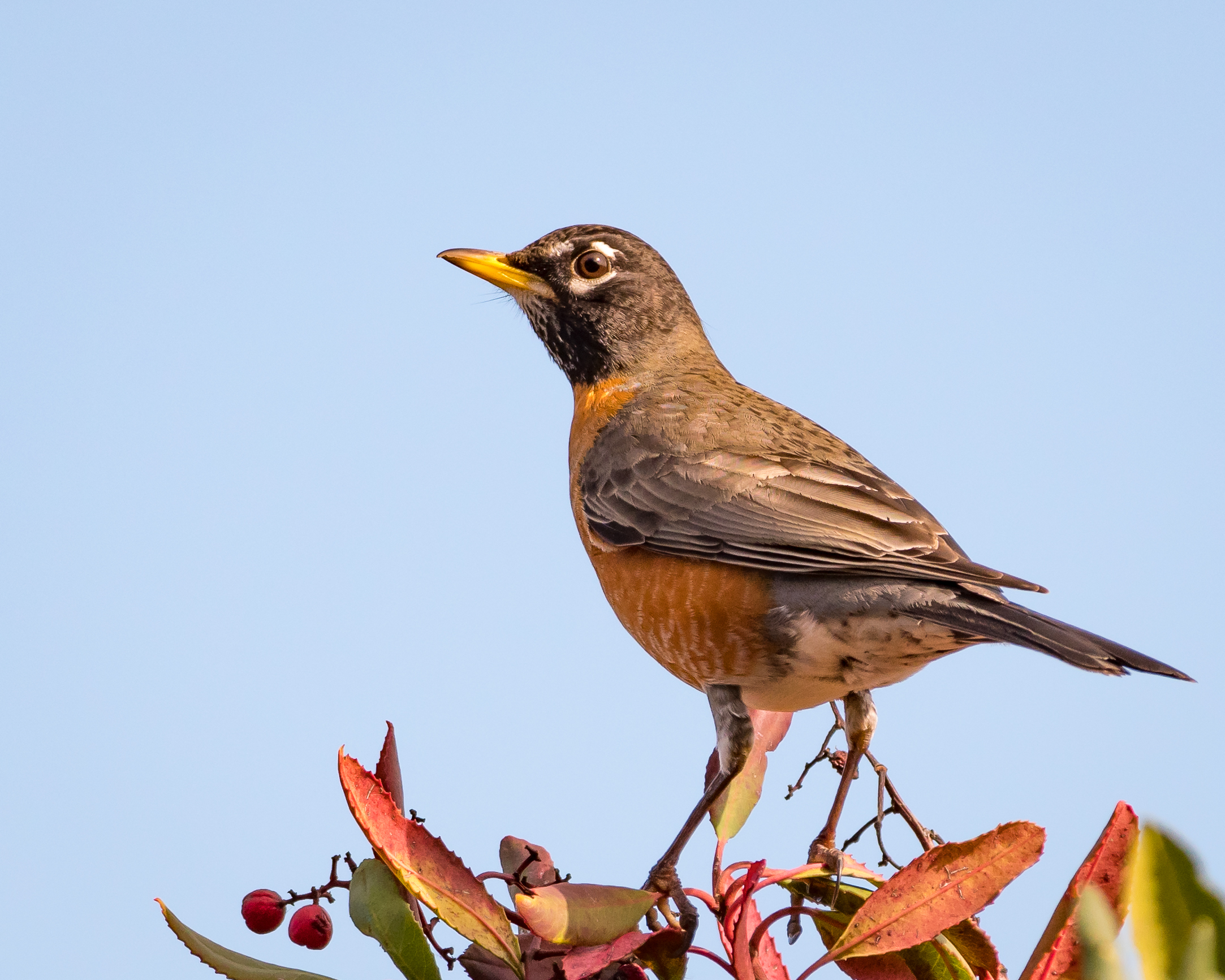
“A Bird, came down the Walk—
He did not know I saw—
He bit an Angleworm in halves
And ate the fellow, raw.”
Here, the bird’s action is simple, almost mundane: it walks down the path, unaware that it is being observed. It encounters an “Angleworm” and devours it. Dickinson’s use of the word “raw” implies the natural, unfiltered aspect of the bird’s life—a life lived according to instinct rather than human conventions.
The bird’s actions are depicted in a stark, almost brutal light. The act of eating the worm raw is a reminder of the raw, unrefined world of nature—a world that humans often romanticize but which is, in reality, much more savage and primal.
Stanza 2:
The second stanza continues the bird’s actions:
“And then he drank a Dew
From a convenient Grass—
And then hopped sidewise to the Wall
To let a Beetle pass—”
The bird’s actions here suggest a moment of refreshment and grace. After consuming the worm, it drinks dew from a blade of grass, which may be seen as a symbol of purity and life. The act of the bird “hopping sidewise” to allow a beetle to pass suggests a sense of harmony and coexistence within the natural world—an instinctual kindness or respect for other creatures in the ecosystem.
There is a sense of freedom in the bird’s movement. It lives without restrictions, a part of a world governed by instinct rather than societal norms. Dickinson’s observation of these simple actions offers a glimpse into a life that seems unburdened by the complexities and moral questions that humans often face.
Stanza 3:
In the third stanza, the bird’s encounter with the observer is revealed:
“He glanced with rapid eyes
That hurried all around—
They looked like frightened Beads, I thought,
And then he flew away—”
Here, the tone of the poem shifts. The bird becomes aware of the presence of the observer, and its behavior changes. The description of its eyes as “frightened Beads” suggests that the bird, though seemingly free and confident in its environment, is now alert and anxious. This shift from calm to fear reveals the vulnerability of the bird and, by extension, all living creatures, including humans, in a world filled with uncertainty and danger.
The bird’s flight signifies a return to freedom, as it escapes from the human gaze and reclaims its autonomy. Its flight is both literal and metaphorical: it represents the bird’s natural instinct to escape and return to a place of safety, where it is no longer subject to human observation or control.
Stanza 4:
The final stanza underscores the bird’s brief, fragile encounter with the human world:
“I started Early—Took my Dog—
And visited the Sea—
The Vane behind the House, was shivering
In the Chimney—”
The closing stanza shifts from the bird to the speaker’s own experience, as Dickinson reflects on her own sense of movement and purpose. The speaker “started Early” and took her dog to the sea, possibly searching for meaning or a connection with nature. The “Vane behind the House” that is “shivering” in the chimney may symbolize the constant change and unpredictability of life, mirroring the bird’s brief encounter with the human world.
There is a sense of unease and tension in this final image—perhaps a reflection of the complexity of life and the uncertain relationship between humanity and nature. The image of the shivering vane evokes a sense of vulnerability and fragility, much like the bird’s flight away from the human observer.

Themes in A Bird, Came Down the Walk
Though A Bird, Came Down the Walk is a relatively short poem, it touches on several important themes that are central to Dickinson’s body of work. Some of the primary themes in the poem include:
1. The Innocence and Brutality of Nature
The bird’s actions—biting an angleworm in halves and eating it raw—highlight the natural world’s lack of moral considerations. Dickinson contrasts this with the apparent innocence of the bird, which behaves in a way that is simply instinctual. Nature, in this sense, is neither good nor bad; it simply is. The bird does not reflect on its actions or show remorse, making its existence both innocent and brutal in its simplicity.
Read more
2. The Relationship Between Humans and Nature
The encounter between the bird and the human observer represents the ongoing interaction between humanity and the natural world. The bird is unaware of the human presence, living freely within its environment. However, when it becomes aware of the observer’s gaze, it becomes frightened and flies away. This suggests that the natural world is ultimately autonomous and cannot be fully controlled or understood by humans. There is a sense of separation and distance between the observer and the observed, as the bird represents a world that is both connected to and yet separate from humanity.
3. Freedom and Flight
Flight is a recurring motif in the poem, serving as a symbol of both freedom and escape. The bird’s flight represents a return to autonomy and a rejection of human intrusion. Its flight emphasizes the bird’s inherent freedom, something that is beyond the control of humans. In this sense, the bird’s ability to fly away from the observer may be seen as a metaphor for the limitations of human understanding and control over nature.
4. Fear and Vulnerability
The bird’s fearful glance toward the human observer speaks to the vulnerability inherent in all living creatures. Despite its free and autonomous existence, the bird is still subject to fear and the instinctual desire to protect itself from perceived threats. This reflects a more universal experience of vulnerability, both in animals and humans, when faced with forces beyond our control.
5. The Transience of Life
Both the bird’s brief interaction with the observer and the shifting images of the final stanza evoke the transient nature of life. The bird’s flight away from the observer suggests that all moments are fleeting and that life itself is constantly moving, changing, and evolving. The poem’s brevity and simplicity reflect the ephemeral nature of existence, underscoring the idea that life is full of moments that come and go, often without any lasting effect.
Conclusion
In A Bird, Came Down the Walk, Emily Dickinson captures the delicate balance between the innocence and brutality of nature, the freedom and vulnerability of living creatures, and the fleeting nature of existence. Through the seemingly simple act of observing a bird, Dickinson invites readers to reflect on the larger themes of autonomy, fear, and the transient nature of life. The bird, with its flight and interaction with the world around it, becomes a symbol for the natural world’s autonomy and humanity’s constant attempt to understand or control it.
In her signature style, Dickinson manages to convey profound insights using simple imagery and precise language, revealing the deeper philosophical questions embedded in the everyday. Through A Bird, Came Down the Walk, Dickinson not only brings the natural world to life but also reminds readers of the fundamental truths about existence, freedom, and the human condition.
Read more
FAQ
1. What is the significance of the bird in Emily Dickinson’s poem?
The bird in A Bird, Came Down the Walk represents both the innocence and brutality of nature. It is portrayed as a creature that acts on instinct, free and unburdened by human concerns. The bird’s behavior symbolizes the natural world’s autonomy, while its brief interaction with the human observer hints at the complex relationship between humanity and nature.
2. How does Dickinson explore the theme of nature in the poem?
Dickinson explores nature as both a force of innocence and raw reality. Through the bird’s actions, she highlights the starkness of nature, such as the bird eating a worm raw, while also emphasizing nature’s beauty and fluidity in the bird’s movements and its harmonious interaction with other creatures. Nature is shown as a world without moral judgment, governed by instinct.
3. What is the role of the human observer in the poem?
The human observer in the poem plays a crucial role in highlighting the contrast between the natural world and human existence. The bird is unaware of the observer at first, living freely, but once the bird becomes conscious of being watched, it becomes fearful and flies away. This moment suggests that nature is independent and that humans, despite their curiosity or attempts to control, cannot fully understand or possess it.
4. What does the bird’s flight symbolize in the poem?
The bird’s flight symbolizes freedom, autonomy, and escape. When the bird flies away, it reclaims its independence, distancing itself from human interference. This flight represents the idea that nature, like the bird, cannot be controlled or contained by humans, emphasizing the limits of human understanding and control.
5. How does the poem reflect the transient nature of life?
The bird’s brief presence and the shifting images in the final stanza of the poem reflect the fleeting nature of life. Just as the bird’s encounter with the observer is short-lived, the poem emphasizes that moments in life are transient and constantly evolving. The final image of the “shivering” vane behind the house suggests the uncertainty and impermanence of existence.
Read more

