
Overview:
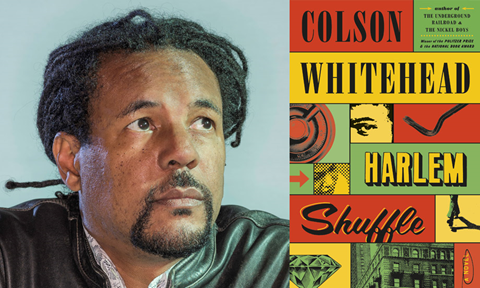
Harlem Shuffle by Colson Whitehead: Chapter-Wise Summary- “Harlem Shuffle” is a novel set in 1960s Harlem that intertwines themes of race, family, crime, and the evolving culture of Harlem. It follows Ray Carney, a furniture salesman who becomes embroiled in the underbelly of crime while navigating his personal life and the societal challenges of the time.
Chapter 1: Introduction to Ray Carney
Harlem Shuffle by Colson Whitehead: Chapter-Wise Summary- The novel opens by introducing Ray Carney, a furniture salesman struggling to make a living in Harlem. He prides himself on his legitimate business but is deeply aware of the criminal elements around him. The chapter establishes Ray’s moral complexity, as he is tempted by the easy money associated with crime but also desires to provide a stable life for his family.
Chapter 2: Family Dynamics
Ray’s family is introduced, including his wife, Elizabeth, and their children. The reader learns about Ray’s upbringing, including his father’s criminal past, which complicates his relationship with his own identity. This chapter deepens the exploration of Ray’s motivations—he wants to break free from his father’s legacy.Harlem Shuffle by Colson Whitehead: Chapter-Wise Summary
Chapter 3: The Underworld of Harlem
Harlem Shuffle by Colson Whitehead: Chapter-Wise Summary Ray’s connection to the Harlem underworld becomes clearer. He meets characters like his cousin Freddie, who introduces him to the world of petty crime. Freddie represents the allure of a life that contrasts with Ray’s aspirations for respectability. The chapter highlights the tension between Ray’s ambition and the gravitational pull of Harlem’s criminal life.
Chapter 4: The Heist
Ray becomes involved in a robbery orchestrated by Freddie and other criminals. This chapter details the planning and execution of the heist, showcasing Ray’s internal struggle. He is conflicted about his choices, balancing his desire for financial stability against the risks of criminal activity. The heist’s chaos illustrates the unpredictability of life in Harlem.
Chapter 5: Consequences of Crime
Following the heist, Ray faces the consequences of his actions. The fallout affects his family and business. The tension between his criminal associations and his responsibilities as a husband and father grows. This chapter emphasizes the theme of duality in Ray’s life—the desire for success versus the pull of his darker impulses.Harlem Shuffle by Colson Whitehead: Chapter-Wise Summary
Chapter 6: Relationships and Betrayal
Ray’s relationships begin to fray. His marriage is tested as Elizabeth becomes suspicious of Ray’s activities. The chapter explores themes of trust and betrayal, both within Ray’s family and among his criminal associates. The complexities of loyalty are examined, as Ray navigates his conflicting loyalties.
Chapter 7: The Moral Dilemma
Harlem Shuffle by Colson Whitehead: Chapter-Wise Summary Ray is increasingly torn between his legitimate business and the allure of crime. He is approached by various characters who represent different aspects of Harlem’s society, each pulling him in different directions. This chapter reflects Ray’s moral dilemmas and the societal pressures that complicate his choices. Harlem Shuffle by Colson Whitehead
Read more
Chapter 8: A Turning Point
Ray reaches a turning point when he must confront the reality of his life choices. He decides to commit to a more legitimate path, distancing himself from the criminal elements. This chapter marks a significant shift in Ray’s character as he grapples with the repercussions of his past decisions.Harlem Shuffle by Colson Whitehead: Chapter-Wise Summary
Chapter 9: Family Tensions Rise
As Ray tries to distance himself from crime, tensions within his family escalate. Elizabeth’s concerns grow, leading to conflicts that threaten their marriage. This chapter underscores the impact of Ray’s choices on his family, highlighting the theme of sacrifice and the struggle for redemption.Harlem Shuffle by Colson Whitehead: Chapter-Wise Summary
Chapter 10: The Return to Crime
Harlem Shuffle by Colson Whitehead: Chapter-Wise Summary Despite his intentions, circumstances force Ray back into the criminal world. He feels trapped by his past and the expectations of those around him. The chapter explores themes of inevitability and fate, as Ray realizes that escaping his background is more challenging than he anticipated.
Chapter 11: Encounters with Law Enforcement
Ray’s encounters with law enforcement illustrate the pervasive corruption and racial tensions in Harlem. The chapter reflects the societal injustices faced by the community and how they intersect with Ray’s personal struggles. His interactions with the police reveal the systemic issues that complicate his life.
Chapter 12: The Impact of Crime on Community
The effects of crime extend beyond Ray’s personal life and into the broader Harlem community. Harlem Shuffle by Colson Whitehead: Chapter-Wise Summary The chapter discusses the impact of crime on relationships, businesses, and social structures, highlighting the interconnectedness of individual choices and communal outcomes.

Chapter 13: Redemption and Change
Ray begins to seek redemption for his past actions. He attempts to reconnect with his family and re-establish his business. This chapter emphasizes the theme of change and the possibility of personal growth, even in the face of adversity. Ray’s journey toward redemption becomes a central focus.
Chapter 14: The Final Confrontation
Ray faces a final confrontation with his past, culminating in a dramatic series of events that force him to confront the choices he has made. This chapter is intense and filled with tension, as Ray navigates his relationships with criminals and family members, leading to a significant climax.
Chapter 15: Conclusion and Reflection
Harlem Shuffle by Colson Whitehead: Chapter-Wise Summary- The novel concludes with Ray reflecting on his journey. He contemplates the complexities of his identity, the choices he has made, and the lessons learned along the way. The final chapter emphasizes themes of resilience and the struggle for a better life, leaving readers with a sense of hope and introspection.
Themes and Analysis
Throughout “Harlem Shuffle,” Colson Whitehead explores themes such as:
- Duality of Identity: Ray’s struggle between his legitimate aspirations and his criminal inclinations reflects broader questions about identity and morality.
- Family and Loyalty: The novel examines the complexities of family relationships and the sacrifices individuals make for their loved ones.
- Race and Society: Whitehead delves into the racial dynamics of Harlem, highlighting the societal structures that impact the lives of its residents.
- Redemption and Growth: Ray’s journey illustrates the possibility of change and redemption, emphasizing the importance of personal agency.
Conclusion
“Harlem Shuffle” is a rich and multifaceted narrative that captures the essence of Harlem in the 1960s through the lens of Ray Carney’s life. Colson Whitehead weaves a compelling story that addresses profound themes while offering a vivid portrayal of the era. Through Ray’s experiences, readers are invited to reflect on the complexities of life, identity, and the pursuit of a better future.
FAQs
1. What are the main themes of Harlem Shuffle?
- Duality of Identity: Ray Carney embodies the struggle between a legitimate life and the allure of crime, reflecting the complexities of human nature.
- Family and Loyalty: The impact of crime on familial relationships is a central theme, as Ray’s choices affect his marriage and children.
- Race and Society: The novel examines racial dynamics and systemic injustices in Harlem, highlighting the societal pressures that shape individuals’ lives.
- Redemption and Growth: Ray’s journey toward redemption illustrates the possibility of change and personal growth, emphasizing the importance of resilience.
2. How does the setting influence the story?
The setting of Harlem in the 1960s is crucial to the narrative, providing a rich backdrop that reflects the social, economic, and racial complexities of the time. Harlem’s vibrant culture contrasts with the darker elements of crime and corruption, creating a dynamic environment that shapes Ray’s experiences. The historical context adds depth to the characters’ struggles and highlights the societal challenges faced by the community.
3. What role do supporting characters play in Ray Carney’s journey?
Supporting characters, such as Freddie, Elizabeth, and various criminals and law enforcement figures, significantly influence Ray’s decisions and development. They embody the various temptations and obstacles he faces, representing the conflicting aspects of his identity. Through these relationships, the novel explores themes of trust, betrayal, and the complexities of loyalty.
4. How does Colson Whitehead use language and style in Harlem Shuffle?
Whitehead employs a vivid and descriptive writing style that immerses readers in the sights, sounds, and experiences of Harlem. His use of dialogue captures the nuances of the characters’ interactions, enhancing the emotional depth of the narrative. The language reflects the cultural richness of Harlem while conveying the tension and complexity of the characters’ lives. Harlem Shuffle by Colson Whitehead
5. What is the significance of Ray’s profession as a furniture salesman?
Ray’s profession as a furniture salesman symbolizes his aspirations for a legitimate life and his desire for stability. It contrasts sharply with the world of crime that surrounds him, highlighting the challenges he faces in maintaining his integrity. The furniture business represents both his struggles and his hopes, serving as a metaphor for the broader pursuit of the American Dream.
6. How does the novel address issues of morality?
Harlem Shuffle explores moral ambiguity through Ray’s choices and the situations he encounters. The novel challenges traditional notions of right and wrong, illustrating how circumstances can complicate moral decisions. Ray’s internal conflicts and the consequences of his actions prompt readers to reflect on the complexities of morality in a flawed world.
7. What is the narrative structure of the novel?
The narrative of Harlem Shuffle is structured around Ray Carney’s journey, interspersed with flashbacks and varying perspectives that enrich the story. Each chapter builds on Ray’s character development and the evolving dynamics of his relationships. The nonlinear storytelling allows for a deeper exploration of themes and characters, creating a multifaceted narrative.
8. What can readers take away from Harlem Shuffle?
Readers can take away a profound understanding of the complexities of identity, the impact of societal pressures, and the struggle for redemption. The novel invites reflection on the moral dilemmas individuals face in their pursuit of a better life. Through Ray’s journey, readers are encouraged to consider the nuances of human nature and the importance of resilience in the face of adversity.
Read More